Coral Lifespan: Understanding Colonial Properties and Perspectives on Long-Term Care
Corals do not have a uniform lifespan like other animals. This article explores the colonial nature of corals, the concept of "lifespan continuation" through fragmentation, and the factors that shorten lifespan in captive environments.
Key Takeaways
Corals do not have a uniform lifespan like other animals. This article explores the colonial nature of corals, the concept of "lifespan continuation" through fragmentation, and the factors that shorten lifespan in captive environments.
Corals Are Difficult to Define by Lifespan
For dogs, cats, and aquarium fish, the average lifespan by species is generally well known. However, when asked "how many years does this coral species live?" many keepers find themselves at a loss. This is not a matter of knowledge gaps; rather, the very nature of corals as organisms makes them difficult to fit into the typical animal lifespan framework.
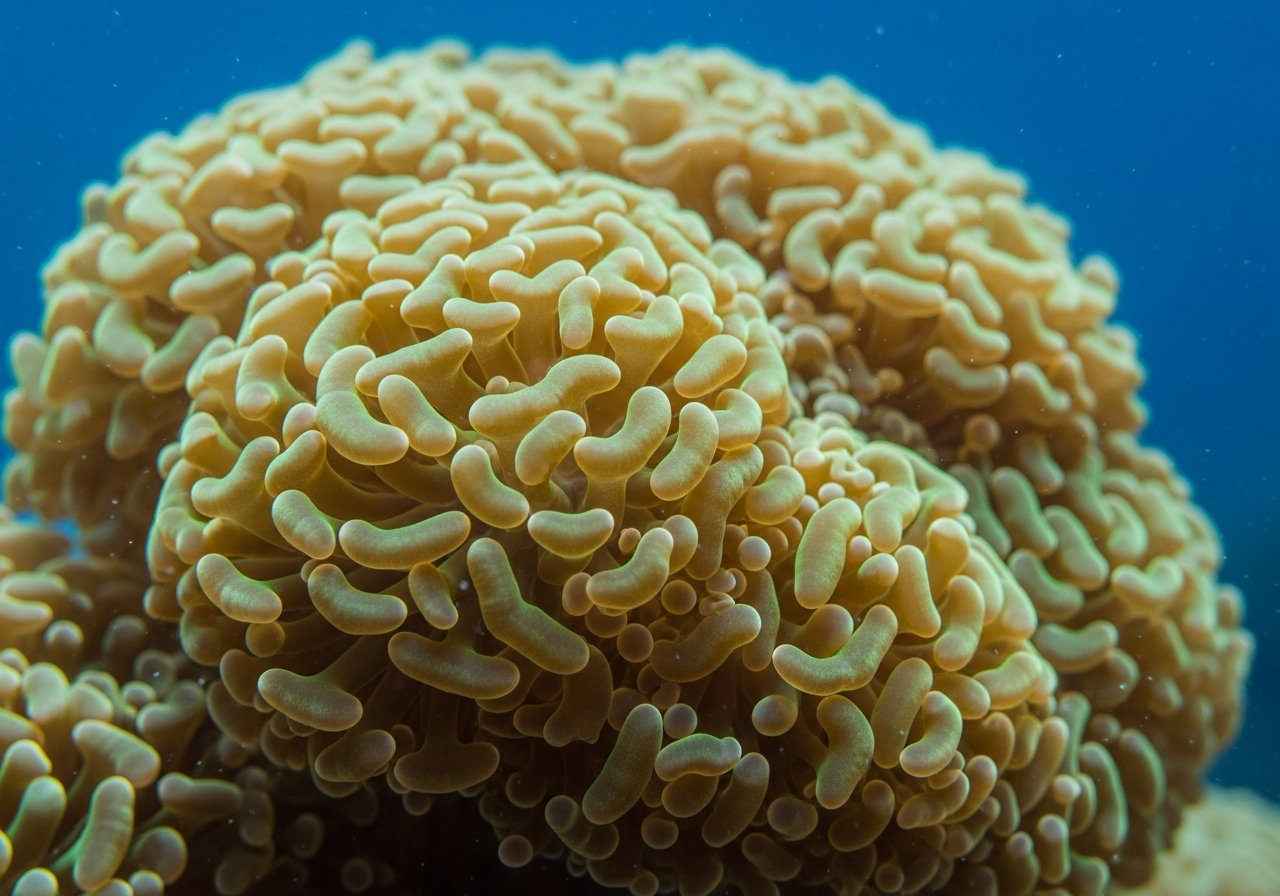
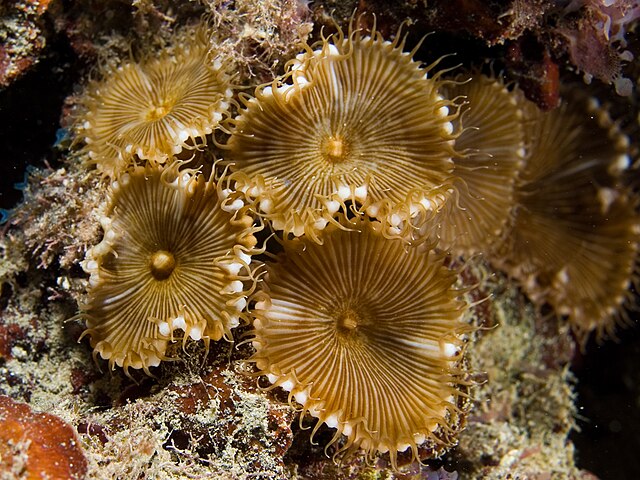
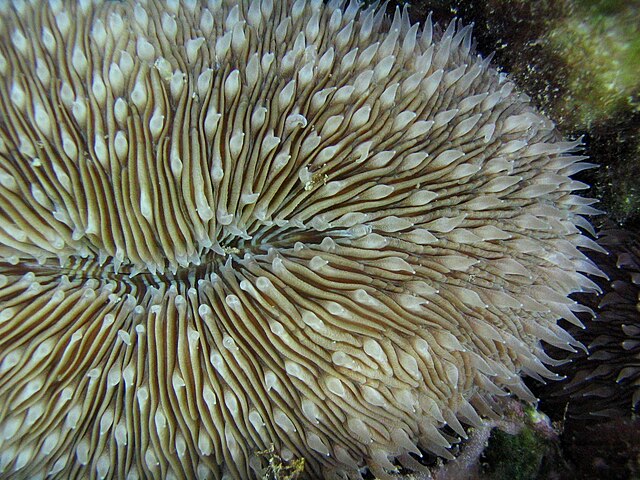
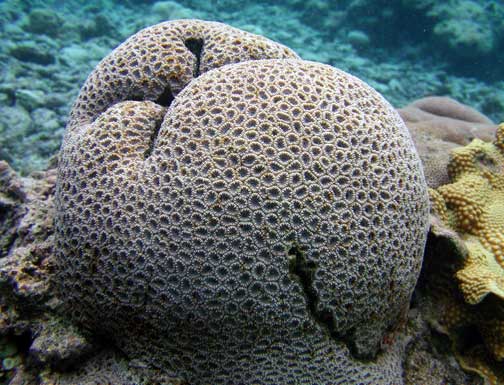
Corals are colonies made up of countless polyps. Rather than being a single organism with a heart and brain like a typical animal, genetically identical polyps repeatedly divide and proliferate to expand the colony. Understanding this structure is the starting point for thinking about coral lifespan.
Colony Death and Polyp Death Are Distinct Concepts
In coral colonies, individual polyps are regularly lost due to injury or reaching the end of their lifespan. However, the entire colony does not die because of this. In a healthy colony, new polyps are produced by division around where polyps were lost, allowing the colony to maintain its form.
This is similar to how individual cells in our skin are constantly replaced, yet "we" remain the same individual. While polyps as individual units are constantly renewing, at the colony level the organism continues to exist as a continuous life. This is why in captivity, even if some polyps decline in condition, the entire colony is not necessarily moving toward death.
Long-Lived Colonies Known in Wild Reefs
Some coral species continue to grow over extremely long periods. In particular, Porites species grow slowly and have dense skeletons, so researchers have studied them by counting growth lines like tree rings to estimate age. As a result, large colonies believed to have continued growing over centuries have been documented on multiple reefs.
These long-lived colonies have continued to grow over periods far longer than a human lifetime, weathering environmental changes in a single location. For those of us keeping corals in the limited environment of an aquarium, understanding this scale is meaningful for deepening our understanding of corals as organisms.
Fragmentation as "Lifespan Reset": A Conceptual Framework
Another important method for keepers is fragmentation (division or cutting). When a portion of coral is cut out and attached to a new base, it begins to grow as an independent colony.
At this point, the original colony and the cut fragment become physically separate individuals, but remain genetically identical. In biology, such genetically identical groupings are called a "genet," while the individual physical units within it are called "ramets." Even if one ramet (colony) is lost to accident or disease, if a ramet being raised elsewhere survives, that genet continues to persist.
In the coral world, dispersing a single genetic lineage across multiple ramets through fragmentation effectively becomes "lifespan extension." The well-established practice among enthusiasts of regularly fragmenting corals and sharing them with other keepers is not just about expanding the hobby—it is also wisdom about preserving genetic lineages.
Factors That Shorten Lifespan in Captivity
Even corals that could persist for centuries in the wild sometimes deteriorate surprisingly quickly in captive environments. Factors that make colony persistence difficult include the following:
- Stress from rapid changes in water quality and temperature, accompanied by bleaching and tissue necrosis
- Physical damage from layout changes or contact between organisms
- Metabolic imbalance from chronic nutrient deficiency or excess
- Delayed detection of disease or pest outbreaks, allowing damage to spread throughout the colony
- Insufficient daily observation leading to missed early signs of decline
Many of these can be detected early through daily observation and record-keeping. The greatest factor in shortening colony lifespan is often not the environment itself, but rather delayed recognition of change.
The Significance of Keeping Individual Records
When viewing corals from the perspective of colonies, the value of recording "what provenance this colony has followed" becomes clear. Information about the origin—when and in what condition the specimen was acquired, which colony it was fragmented from—becomes the very history of that genet, as long as it is not lost across generations of ramets.
As discussed in The Meaning of Keeping Coral Collection Records and Coral Individual History and Lineage Management, the practice of keeping records of provenance and lineage goes beyond mere memory-keeping—it also has practical value in being able to later trace the evidence of a colony's long persistence. If a particular lineage catches your interest, you might also use the Coral Catalog to examine the ecology of related species while organizing what characteristics define the lineage in your own aquarium.
Summary
Coral lifespan cannot be expressed as a fixed number of years like other animals. The turnover of polyps within the colony, the dispersal of ramets through fragmentation, and the accumulation of daily observation and record-keeping ultimately work together to sustain a single genetic lineage over a long period. Rather than asking "how many years will it live?" taking the perspective of "how can I keep this colony and this lineage healthy for the long term?" should provide practical guidance in continuing coral keeping.