Protecting Corals and Saltwater Fish from Household Chemicals | The Hidden Dangers of Perfume, Sunscreen, and Insecticides
Perfume, sunscreen, insecticide, and other common household chemicals can cause serious harm to corals and saltwater fish even in tiny amounts. This article outlines the exposure pathways to be aware of in daily life.
Key Takeaways
Perfume, sunscreen, insecticide, and other common household chemicals can cause serious harm to corals and saltwater fish even in tiny amounts. This article outlines the exposure pathways to be aware of in daily life.
When corals or saltwater fish suddenly show signs of distress, reviewing water quality and lighting management may not reveal the cause. In some cases, chemical substances brought in from outside the tank are involved. Many saltwater tank inhabitants have lower tolerance for chemicals than freshwater fish, and amounts negligible to humans can reach toxic concentrations in a tank. This article outlines the exposure pathways to chemicals lurking in daily life and strategies to avoid them.
Hands Are the Most Immediate Source of Chemical Transfer
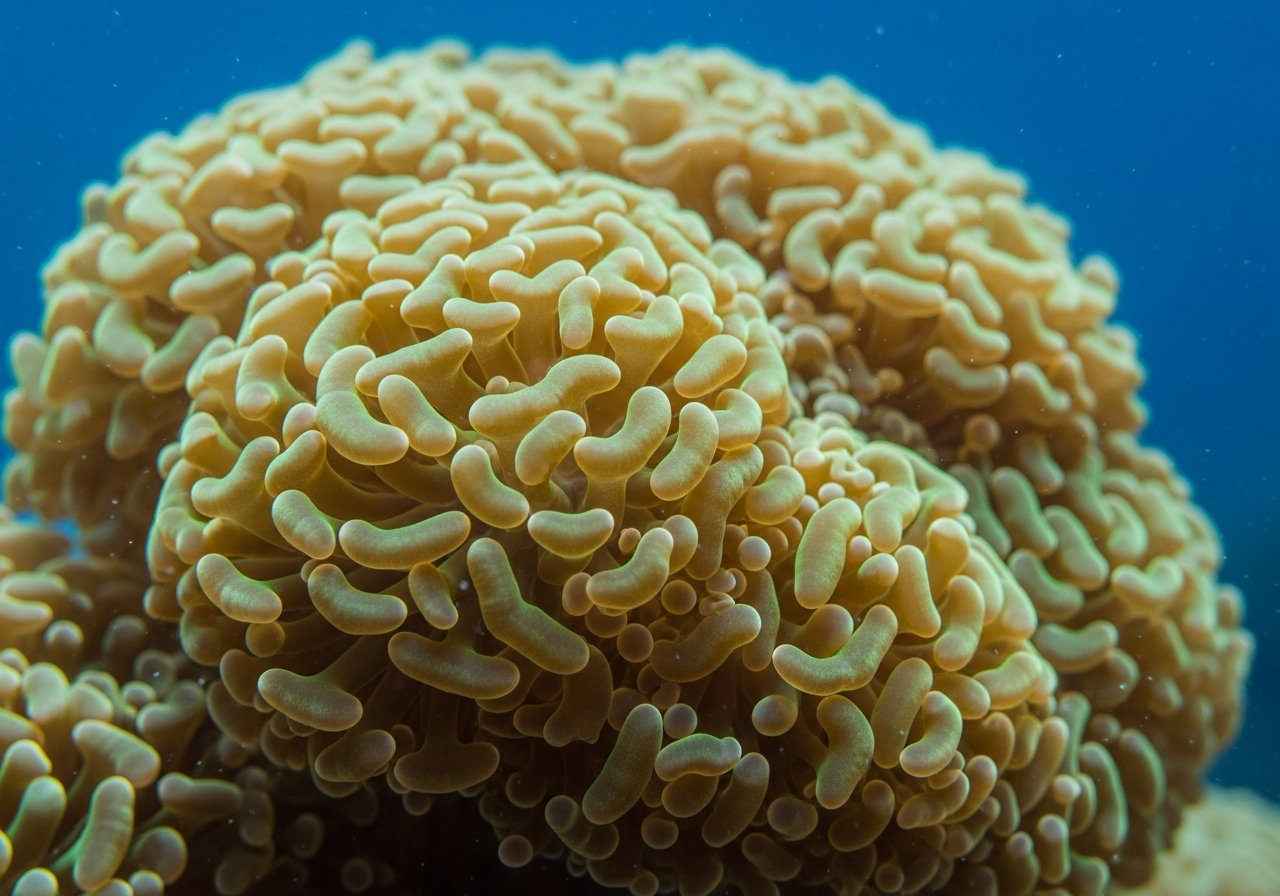
If you use hand cream, perfume, or sunscreen shortly before putting your hands in the tank, those compounds dissolve directly into the water. Corals in particular absorb chemicals through the thin tissue on their surface, making them prone to polyp retraction and discoloration. Before working with the tank, wash thoroughly with fragrance-free soap and, if possible, rinse with water only before proceeding. Be mindful of perfume residue on rings and watches as well.
Airborne Pesticides, Fragrances, and Cleaning Products
When pesticides are sprayed or air fresheners or deodorizers are used near the tank, fine particles can fall on the water surface and dissolve into the water. In rooms with tanks, avoid using insecticides altogether, but if necessary, cover the tank and ensure thorough ventilation after use before uncovering it. It is also known that compounds in tobacco smoke can affect the tank through the same pathway.
Protect Against Paint, Solvents, and DIY Work Debris
When painting shelves or walls near the tank or creating new layouts with DIY projects, volatile compounds from paint and adhesive can affect the tank. Effective precautions include covering the tank during work, doing the work in a separate room, and allowing sufficient time to pass before uncovering the tank afterward. In particular, adhesives and paints can continue releasing volatile compounds even after drying, so it is wise to remain cautious until the smell completely disappears.
Chemical Introduction Through Tap Water and Water Lines
Residual chlorine and heavy metals in tap water can be removed to some extent by passing it through an RO/DI purifier. If you continue using the purifier past the cartridge replacement date, chemicals that should have been removed will enter the tank. The relationship between source water quality and purification is explained in detail in RO/DI Purifiers and Source Water Quality Management | Troubleshooting Tap Water Issues.
Protein Skimmers Provide Physical Protection Too
While protein skimmers are primarily designed to remove organic matter, they also partially remove trace oils and surfactants that float on the water surface. Maintaining proper skimmer operation daily can help reduce the risk of chemical accumulation. For guidance on skimmer selection and adjustment, see The Role of Protein Skimmers and How to Choose and Adjust Them | Equipment That Supports Water Quality in Coral Tanks.
Be Mindful of Cleaning Products and Residual Rinsing
When cleaning the floor or walls around the tank, cleaning product residue left after insufficient rinsing can be inadvertently introduced into the tank via hands or tools during subsequent work. For tools used exclusively with the tank—such as buckets, pipettes, and nets—it is safer to rinse with fresh water only, without using soap. New equipment may also carry packaging oils or dust, so it is a good practice to rinse thoroughly with fresh water before placing it in the tank.
Be Aware of Indirect Exposure Routes Like Houseplants and Aromatics
If houseplants are kept near the tank, spraying insecticide or plant tonic at the base can send aerosols or volatile compounds toward the tank. With aroma diffusers and incense, avoid use directly above or adjacent to the tank, and keep them as far away as possible. The accumulation of small daily habits can prevent invisible damage from chemical exposure.
What to Do When You Notice Something Wrong
Anomalies like coral polyps suddenly refusing to open or fish breathing heavily near the water surface may occur without showing up on water test results. Look back on any relevant activities (cleaning, painting, pesticide use, etc.), and if suspicious, the basic response is to add activated carbon to absorb potential contaminants while performing a larger water change to dilute concentrations. If symptoms do not improve or the cause remains unclear, it is recommended not to rely on self-diagnosis but to consult a specialty aquarium shop or an expert knowledgeable in aquatics. Keeping a simple record of what chemicals or products are used near the tank makes it easier to identify the cause when problems arise.