Coral Health Assessment | Pre-Purchase Checklist and Tactile Evaluation
Health status checkpoints to confirm before and after acquiring corals, including polyp extension patterns, body coloration, and tissue texture, organized as a practical checklist.
Key Takeaways
Health status checkpoints to confirm before and after acquiring corals, including polyp extension patterns, body coloration, and tissue texture, organized as a practical checklist.
When selecting corals, making choices based solely on color and shape preferences can sometimes result in decline after bringing the specimen home. Separate from evaluating lineage and individual variation, I'll outline the basic checkpoints for determining whether a coral is currently in good health.
Basic Visual Checkpoints
These are items to check visually before purchase or immediately upon arrival. No special tools are needed—observation through the tank glass or shipping bag is sufficient.
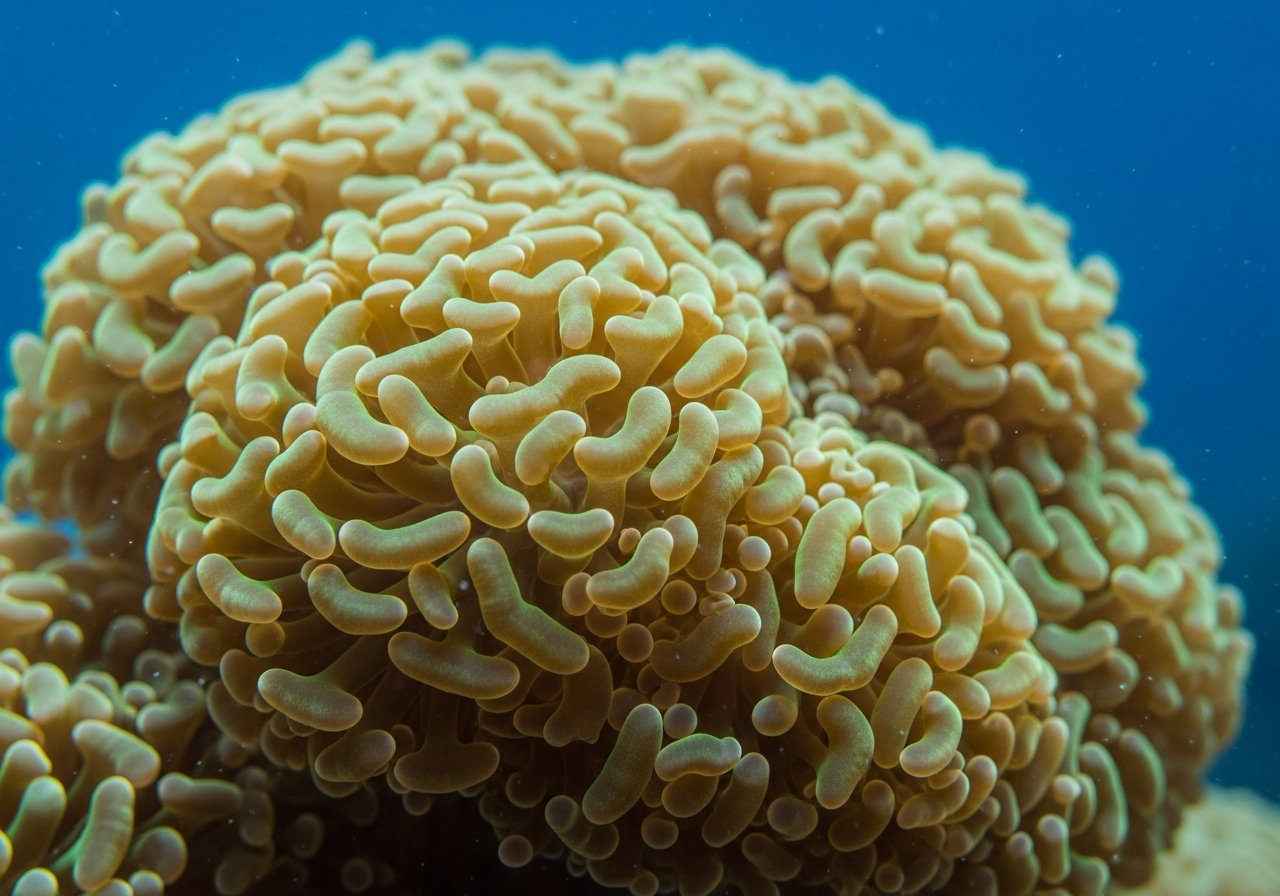
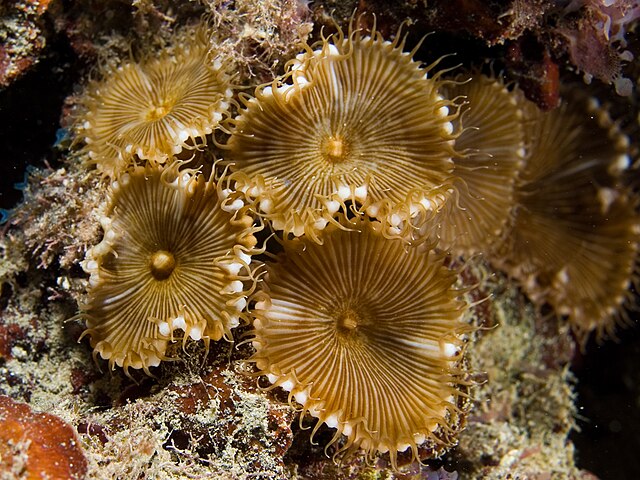
- Whether polyps are fully extended, or showing a healthy contraction pattern that suggests they will extend once acclimated to the environment
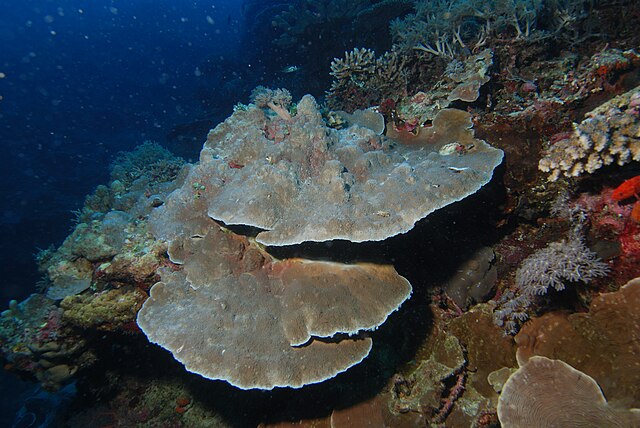
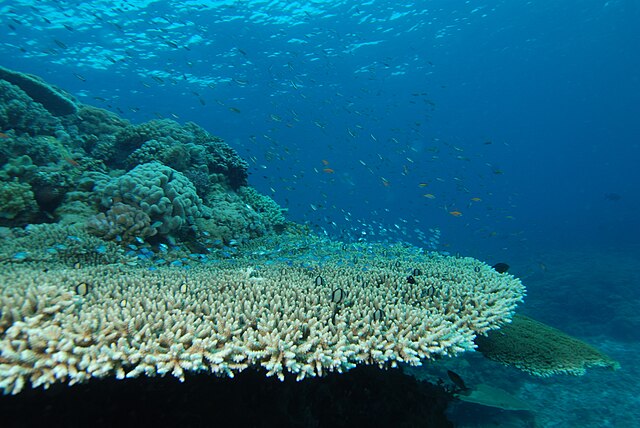
- Whether body coloration displays the species' natural coloring, with no extremely bleached or faded areas
- Whether tissue edges are firmly attached to the skeleton, with no unnaturally thin or translucent sections
- Whether mucus production is within normal range, with no abnormal or stringy secretion
- Whether algae or conspicuous parasitic organisms are not repeatedly attaching to the same specimen
- Whether there is no physical damage such as missing or fractured skeleton or tissue
It is important not to rely on any single item but to assess them comprehensively in combination. Polyp extension in particular can vary with lighting and water flow conditions in the tank, so the ambient environment must be considered as well. To avoid confusing a specimen temporarily closed due to recent shipping stress with one that is chronically unhealthy, it is an effective approach to wait a while if possible and observe again.
Reading Health Status from Texture
Coral "texture" is another clue to health status. By texture here, I do not mean carelessly touching to check, but rather observing naturally as it is handled during necessary processes like acclimation after bringing it home to your own tank.
- Whether the tissue is firm and plump with good resilience, or has lost turgidity and appears shrunken
- Whether the surface is not overly slimy and not rough or dry in appearance
- Whether attachment to the frag plug or base is solid, with no wobbling
Before purchase, these must be assessed primarily from seller information and photos or videos. Especially with mail order, judgment relies on the posted images and descriptions of the specimen's previous condition, so asking directly about any concerns is one valid approach.
Distinguishing Individual Variation and Lineage Differences
Health assessment must be separated from the connoisseurship of individual variation based on coloration and lineage. The former is a short-term perspective asking "is it weakening right now?"; the latter is a long-term perspective asking "what bloodline or origin does this individual have, and how might its color and form change in the future?" While consulting species and lineage information on encyclopedia pages, it is practical to conduct health checks as a separate assessment of the specimen's current state.
Using as a Checklist
I'll organize the following as a simple checklist you can go through item by item at purchase or upon arrival.
- Are polyp opening and closing patterns natural (is there no prolonged extreme contraction)?
- Does body coloration display the species' natural coloring?
- Are there no abnormalities in tissue edges or skeleton exposure?
- Are there no abnormal signs in mucus or attached organisms?
- Is attachment to the base solid and free of physical damage?
- Have you asked the seller about any concerns before purchase?
If the checklist reveals concerns overlapping across multiple items, choosing to pass is a valid option rather than forcing the acquisition. Conversely, if only a single item is concerning, many issues can be addressed through careful acclimation and observation after bringing the specimen home.
If you are unsure about your judgment or if the specimen shows continued changes in condition after acquisition, I recommend consulting with a specialist shop or an experienced aquarist rather than trying to handle it alone. Maintaining a health-assessment perspective ultimately leads to better coral selection for long-term keeping. The checklist is not a tool for passing on corals, but rather a tool for bringing them home with confidence—approaching it with that attitude will help you avoid unnecessary anxiety.