Coral Frags vs. Adults (Colonies): Which Should You Choose? | Selecting by Size
A guide comparing the characteristics of coral frags (fragments) and colonies (adults) when acquiring corals, and explaining how to choose based on your goals and care environment.
Key Takeaways
A guide comparing the characteristics of coral frags (fragments) and colonies (adults) when acquiring corals, and explaining how to choose based on your goals and care environment.
When acquiring corals, the choice between small fragments called "frags" and somewhat-developed "colonies (adults)" is a decision point where many aquarists find themselves hesitating at least once. Even with the same species, size makes a significant difference in how easily they adapt and how they appear in the tank. Here, let me organize the characteristics of frags and colonies respectively, and think about how to choose based on your goals and care environment.
What Are Frags?
A frag refers to a small fragment that has been cut from a coral colony and propagated separately. Many corals have the property of continuing to grow anew from the original tissue even after being cut apart, and frags are distributed in the hobby by utilizing this characteristic. Frags are generally smaller than colonies, making them easier to position to match your tank layout. Also, immediately after being cut, the tissue is not entirely free from damage, so a period of time for the fragment to acclimate to the environment is often necessary after introduction.
What Are Colonies (Adults)?
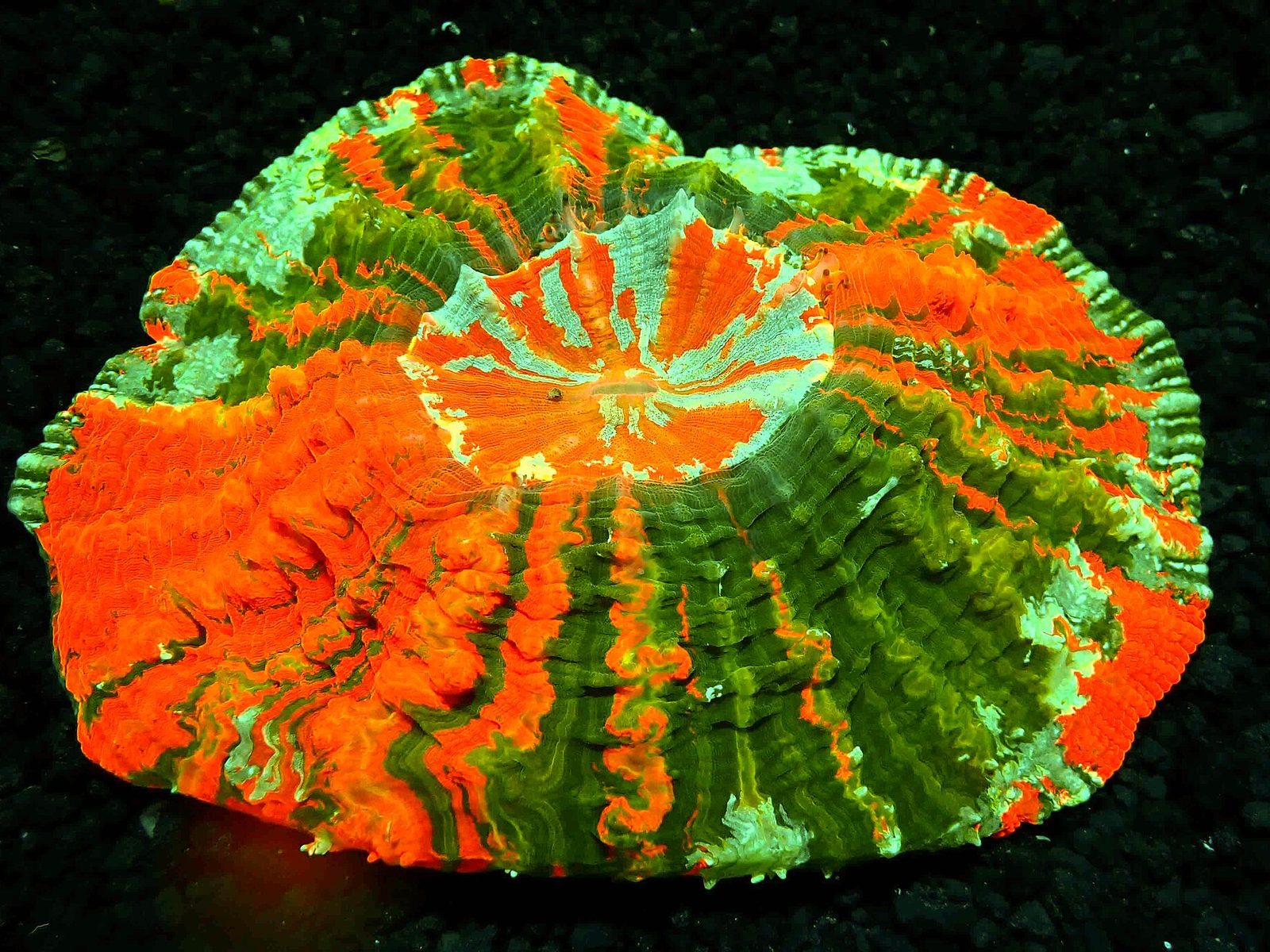
A colony is a cohesive coral group that has grown over a period of time from the frag stage and has reached a more substantial size. Compared to frags, the activity of individual polyps is often more stable, and the corals tend to have comparatively higher resistance to environmental changes. From the moment of introduction, they have presence as a full colony and are easy to use as the focal point of your tank layout. However, because of their larger size, the required space and conditions for water quality and light can become more demanding, and you should consider the scale of your tank in advance.
Which Is Better for Beginners?
Generally speaking, from the perspective of resistance to environmental change, a somewhat-developed colony is considered more stable. However, frags also have advantages in terms of price, availability, and layout flexibility, so it cannot be said outright that one is superior. What is important is to assess whether your tank's water quality management, water flow, and light are stable, and choose based on that. If your tank has just been set up and water quality is not yet stable, there is the approach of choosing a colony with some degree of resilience rather than a frag sensitive to environmental changes. Conversely, if your tank's water quality is stable, there is also the option of enjoying the process of raising corals from frags.
Consider Differences by Species
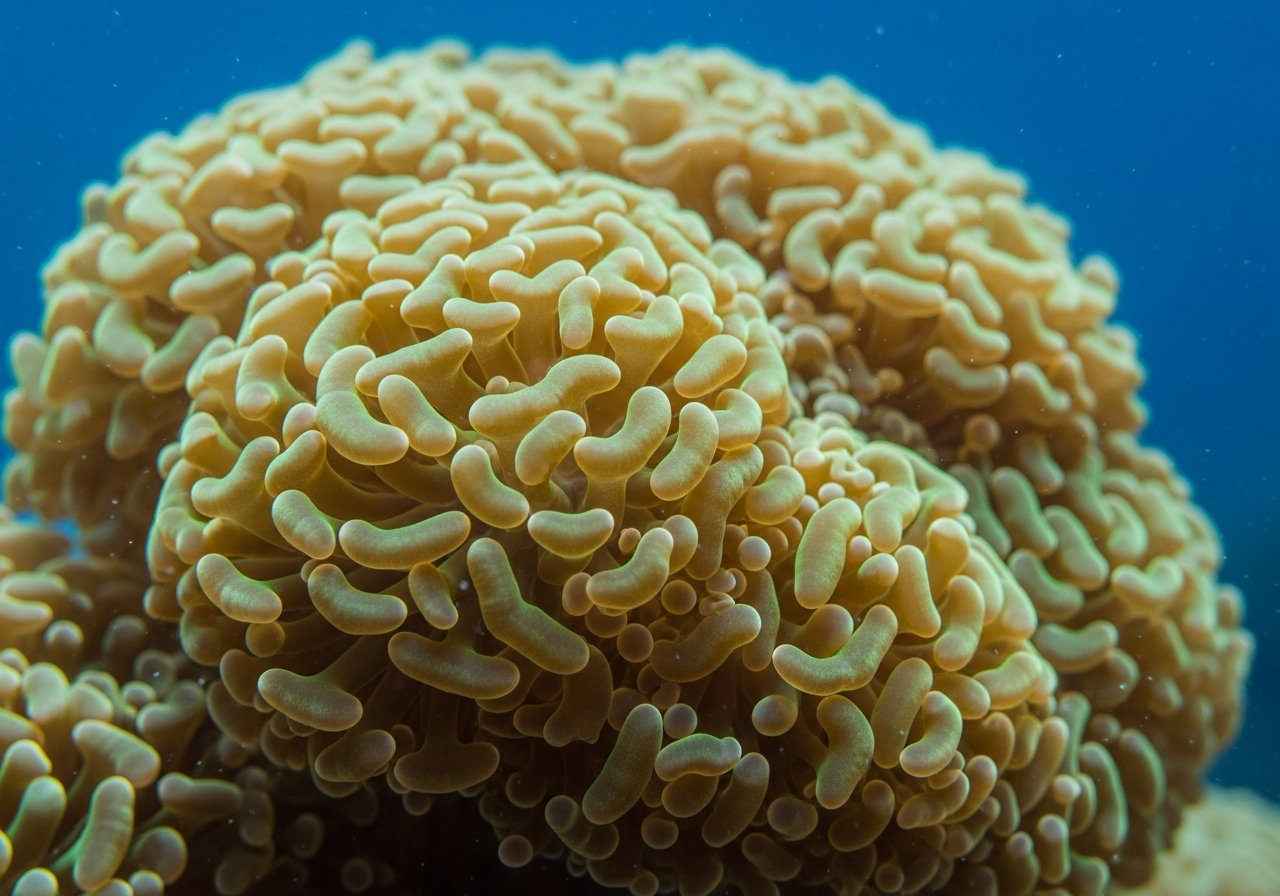
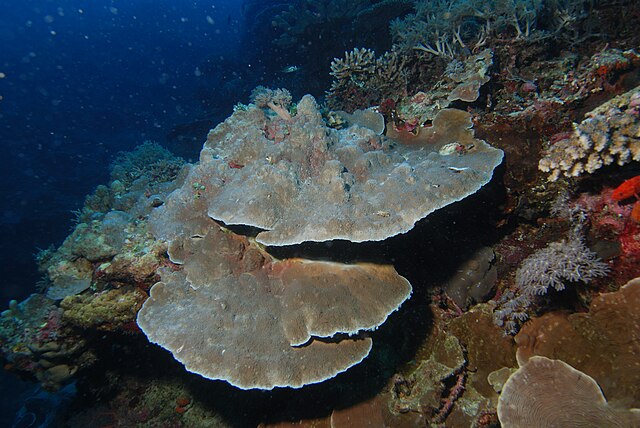
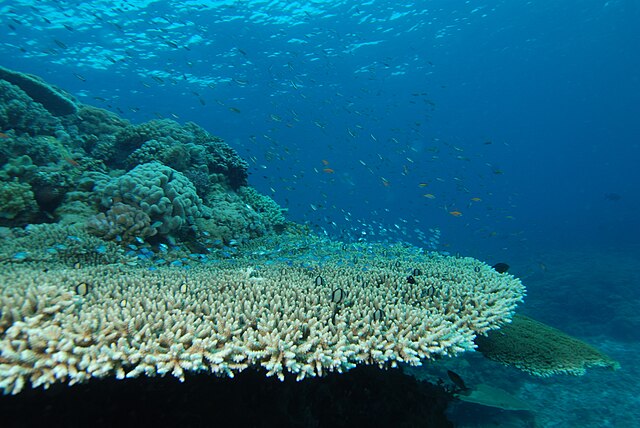
Whether frags or colonies are more appropriate also depends on the characteristics of the species. SPS corals like Acropora and Montipora take somewhat longer for frags to acclimate to their environment, but once conditions are right, they grow vigorously and form colonies. LPS corals like Euphyllia species (Hammer, Torch) tend to be relatively easy to keep even at smaller sizes. For organisms like clams that form no colony and grow as individual specimens, the concept of frags does not apply at all, and size itself indicates the growth stage of the individual. Species-specific characteristics can be confirmed in the coral catalog, so it is good to understand the nature of your target species before purchase.
Points to Check at Purchase
Whether you choose a frag or colony, it is desirable to check as much as possible the tissue color, fullness, and polyp extension before purchase. When acquiring online, you will need to judge the condition from the photos and descriptions posted, so if possible you would want to refer to multiple sources of information. For acquisition routes for corals, it is sometimes possible to check mail-order acquisition routes from each page of the coral catalog, and it is good to use such pathways as well. After introduction, perform acclimation carefully, and it is equally important for both frags and colonies to avoid making major changes to water quality or flow during the period until the coral becomes accustomed to its new environment.
Also, in the case of frags, it is good to check the type and size of the base (plug or disk) to which it is attached. If the base does not match your rock structure layout, adjustment of the placement location may be necessary. For colonies, it is desirable not only to determine whether the size will fit in your tank, but also to decide the placement location with an eye to future size as the coral continues to grow. Regardless of the size, immediately after introduction, it is best to keep water flow and light at modest levels, observe the coral's response, and gradually bring the environment closer to normal conditions—this stepwise approach tends to lead to better long-term establishment.
The Meaning of Keeping Records
Whether you begin raising a coral from a frag or welcome an established colony, keeping records of when it was introduced, its size, and how it grows makes it easier to recognize changes when looking back later. Frags in particular have the pleasure of following growth over a long period, and by keeping photos regularly, you can compare how the colony grew larger over time. Such records become material for judgment when choosing corals in the future and serve as a clue to understanding what sizes and species are suitable for your tank environment.
Summary
Frags and colonies each have different characteristics, and which is more appropriate depends on the state of your tank, your care experience, and the species you want to raise. From the perspectives of resistance to environmental change, layout flexibility, and the pleasure of watching growth, selecting a size that matches your goals is the first step toward keeping corals stably and successfully over the long term.