Heliofungia (Long Tentacle Plate Coral)
Heliofungia actiniformis(Quoy & Gaimard, 1833)Species
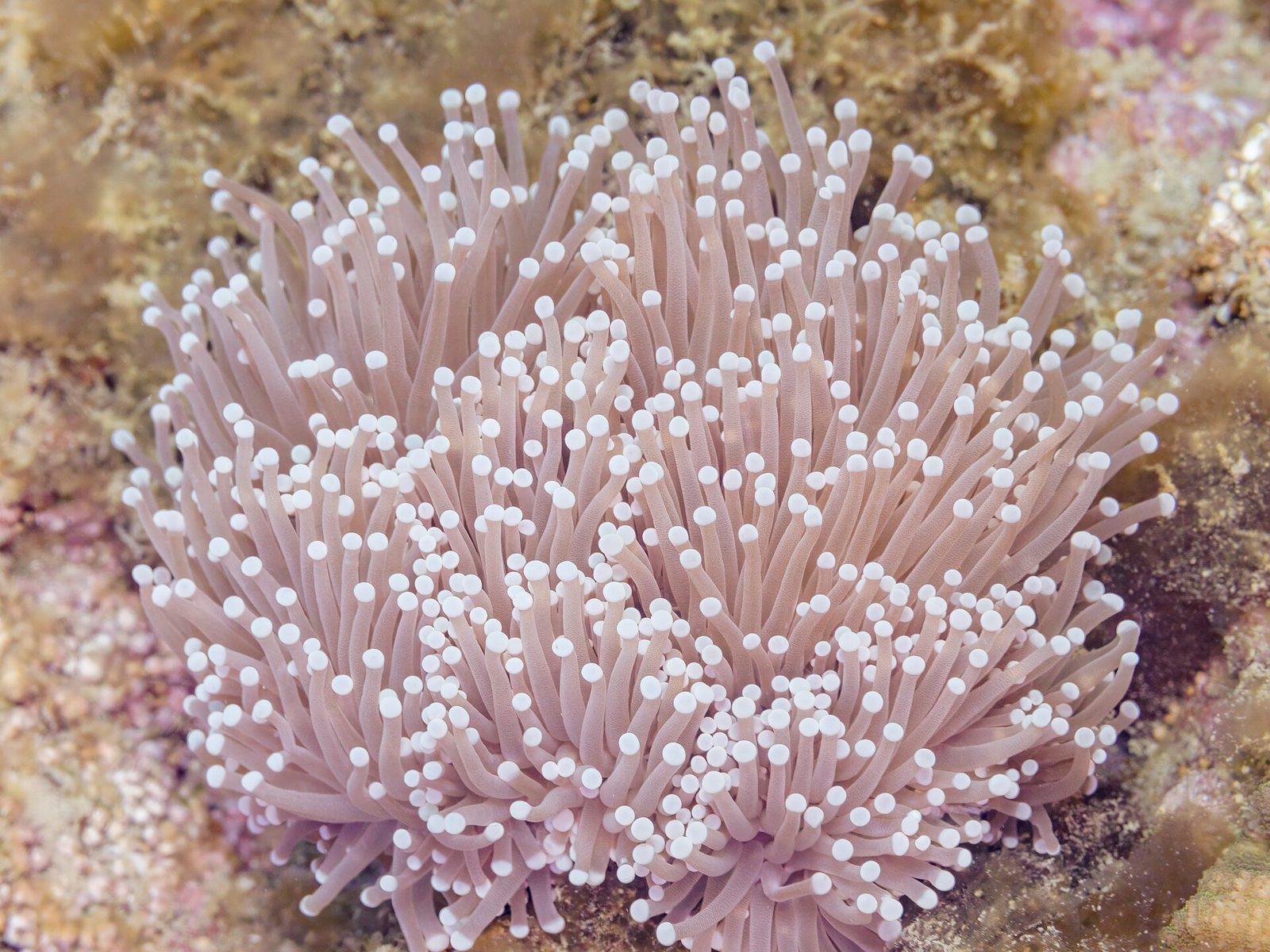
Solitary LPS coral with long tentacles resembling anemones. Clownfish may host in it. Placed on sand — beautiful long tentacles swaying in current.
Names & Synonyms
- CommonHeliofungia (Long Tentacle Plate Coral)
- Commonナガレハナサンゴ属
- SynonymFungia actiniformis
- SynonymFungia actiniformis var. crassitentaculata
- SynonymFungia actiniformis var. palawensis
- SynonymFungia actiniformis var. salawattensis
- SynonymFungia actiniformis var. singapurensis
Overview
Heliofungia actiniformis (family Fungiidae) is a solitary, free-living coral from sandy bottoms and lagoons of the Indo-Pacific whose long, extended tentacles closely resemble a sea anemone. It rests unattached on the sand and continuously extends and waves long, thick, color-tipped tentacles, earning the name long-tentacle plate coral. Colors include greens, browns, pinks, and purples. Provide moderate lighting and gentle to moderate flow, and place it directly on the sand. It is delicate, easily damaged, and sensitive to shipping and handling stress, making it a somewhat challenging species. Its long tentacles can sting and harm nearby corals, so allow adequate spacing. Feeding once or twice weekly maintains health and coloration.
Care Specifications
| Type | LPS |
|---|---|
| Temperature | 24〜27℃ |
| Specific gravity | 1.023〜1.025 |
| Salinity | 33〜35 ppt |
| KH (carbonate hardness) | 8〜12 dKH |
| Calcium (Ca) | 400〜450 mg/L |
| Magnesium (Mg) | 1280〜1350 mg/L |
| Lighting | Medium |
| Water flow | Low |
| Placement | Bottom |
Care Points
- Lighting—Medium. Keep on sand bottom
- Flow—Low to medium. Just enough to gently sway tentacles
- Feeding—Place chopped food on tentacles. 2-3 times per week
- Notes—Can move around. Place on stable sand bed
Regulatory & Conservation
- CITES:
- Appendix II
- Notes:
- イシサンゴ目(Heliofungia actiniformis, Fungiidae)。CITES 附属書II。IUCN は近年再評価で変動(旧VU→2022.2 報告で LC)あり確定値は欠落。
Sources
- AlgaeBarn: SPS/LPS care (PAR/flow)(careSpec)
- AlgaeBarn: Water Parameters 101(careSpec)
- DOC NZ / CITES-listed corals (Scleractinia spp. = App. II)(regulatory)
- Wikipedia(detail)
Related corals of the same type
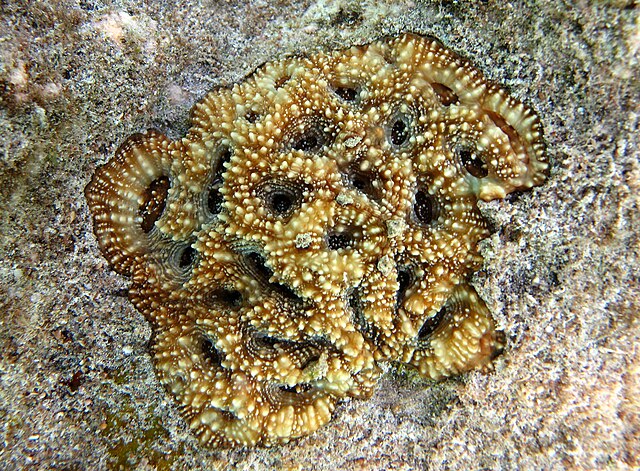 AcanthastreaアカンサストレアlpsBeginnerAn LPS coral with metallic colors in large polyps. Australian specimens are popular as premium pieces.
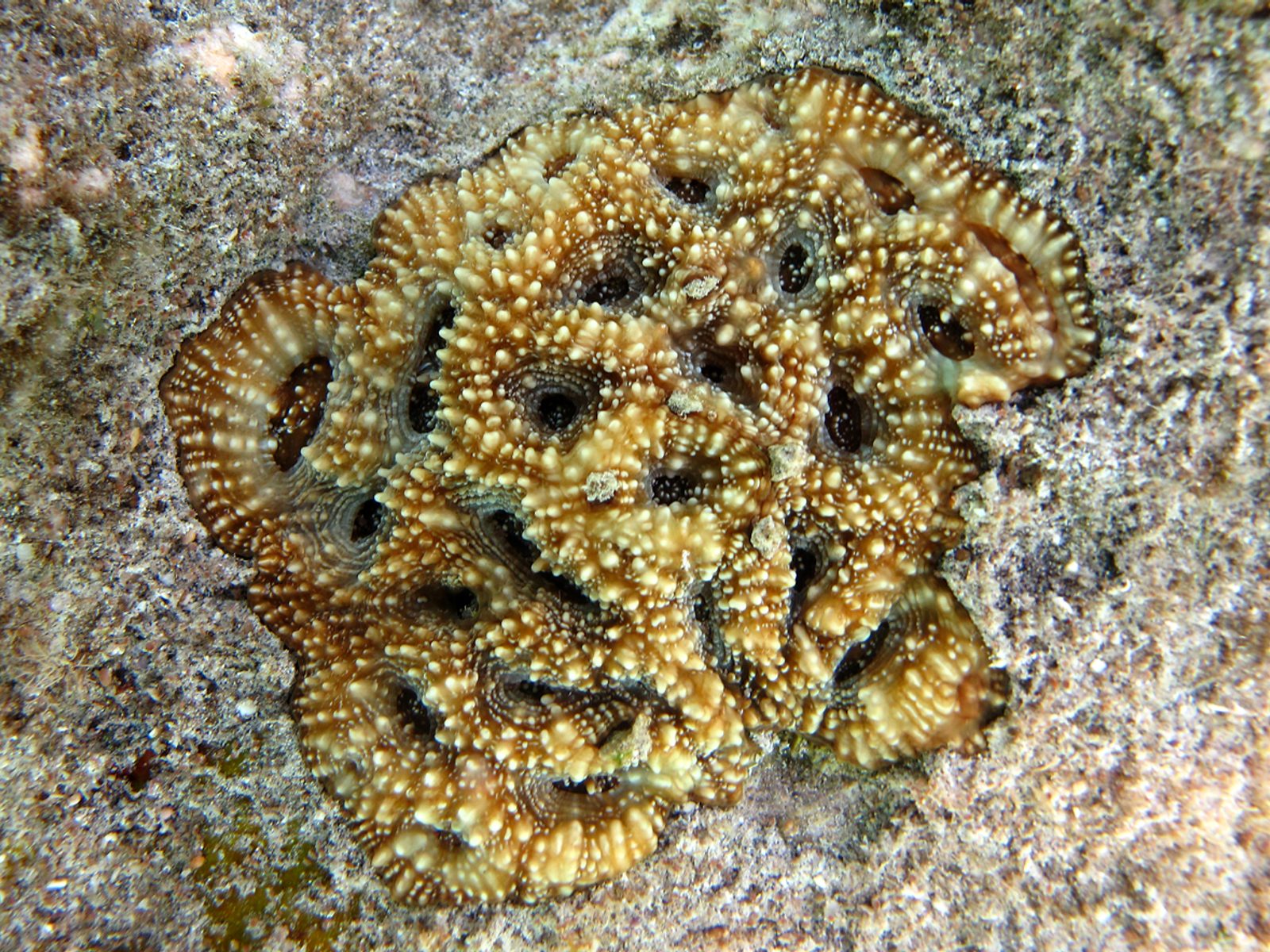 Acan CoralアカンソフィリアlpsIntermediateAn LPS coral with rich colorful variations. Highly popular among collectors with many high-value specimens.
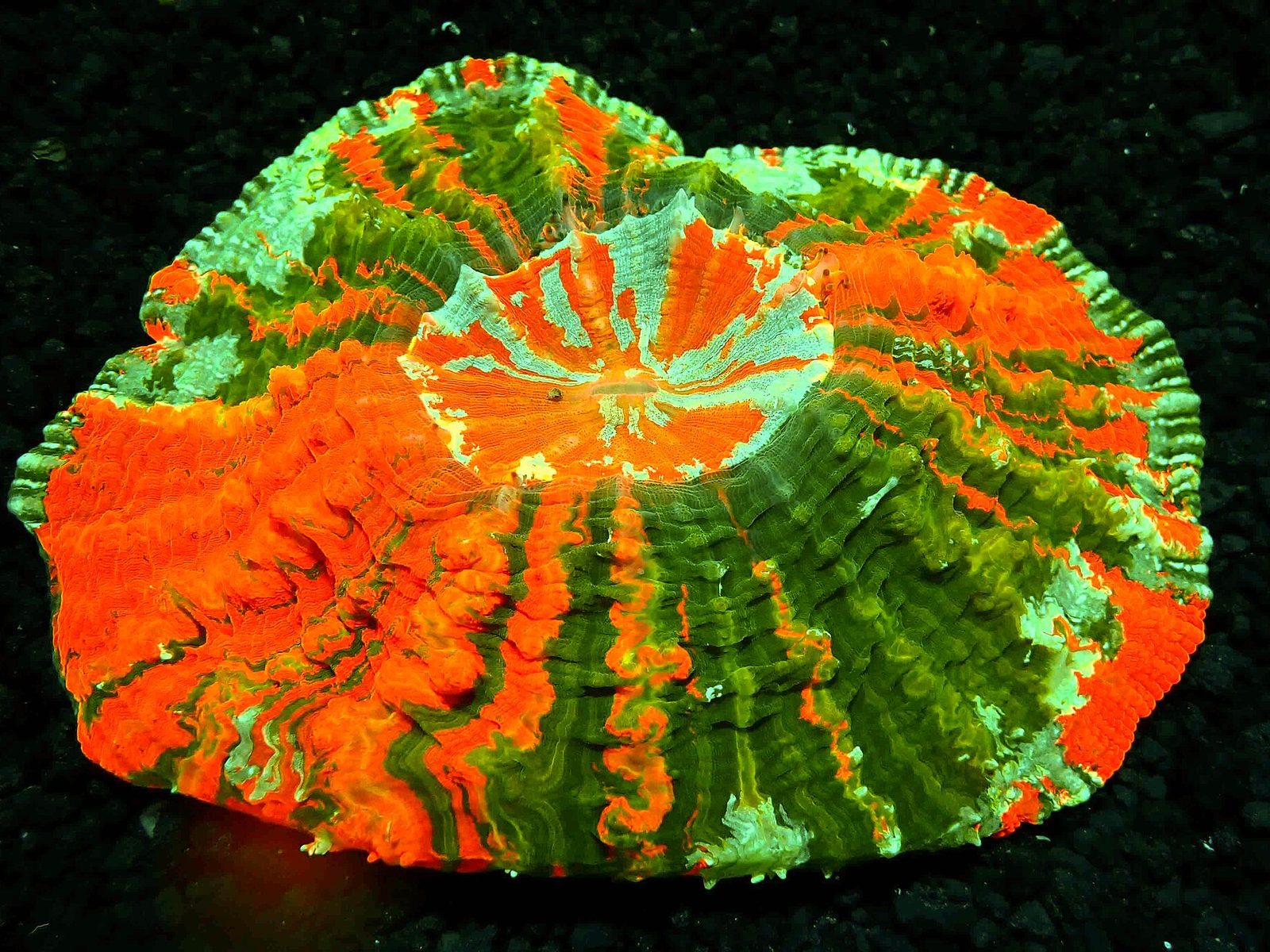 Acanthophyllia (Meat Coral)アカントフィリアlpsIntermediateLPS coral with single massive polyp. Vivid red, green, blue colors earn it the 'Meat Coral' nickname. Impressive when fleshy tissue inflates fully.
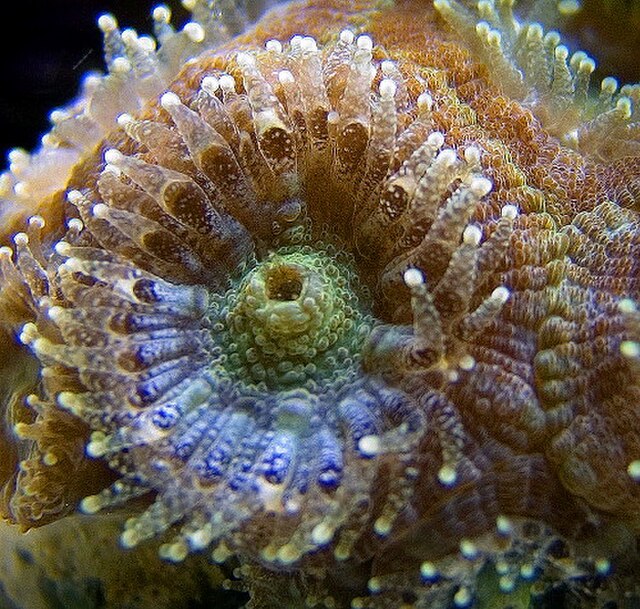 Acan LordアカンロードlpsIntermediateAn LPS coral with vivid multicolor patterns beautiful as jewels. Premium species popular among collectors.
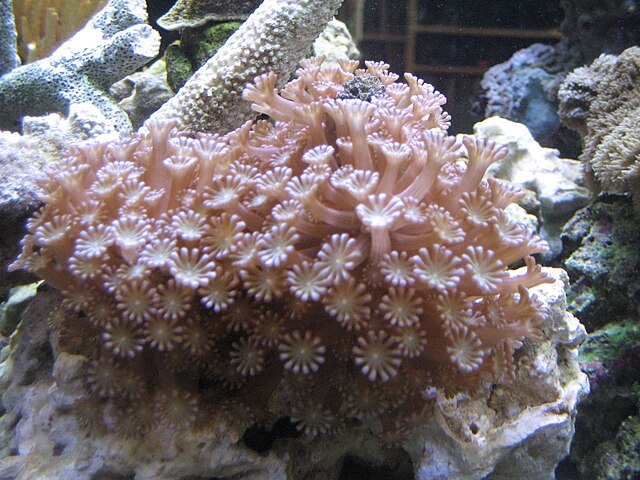 AlveoporaアルベオポラlpsIntermediateAn LPS coral with long tentacles similar to Goniopora. Hardier and easier to keep than Goniopora.
 War CoralウォーコーラルlpsBeginnerAn LPS coral with distinctive rugged appearance. Also called Favia, beautiful with fluorescent colors.
Related care articles
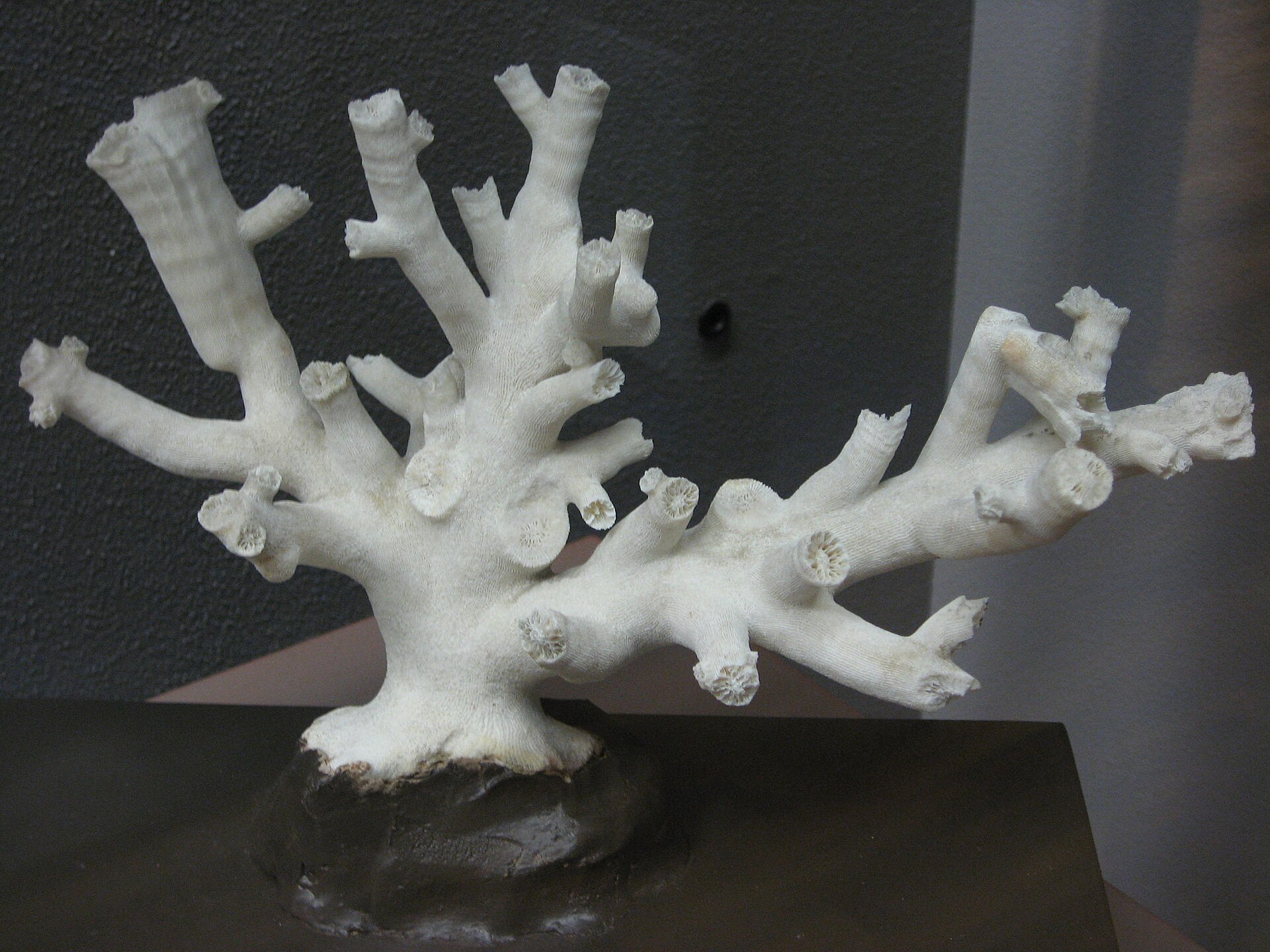
Natural Spawning and Breeding in LPS Corals | Key Points for Juvenile Coral Rearing and Parental Stock Selection
Natural spawning in LPS (Large Polyp Stony) corals is a biological event triggered by multiple interacting environmental factors. The primary driver is photoperiod: as day length extends from spring into early summer, gonadal development in individual colonies accelerates. Most LPS species reach their spawning season between April and July, with decreasing nighttime illumination and lunar cycles serving as the final spawning triggers...
Trachyphyllia (Open Brain Coral) Care | Managing a Unique Species That Dwells on Sand Substrate
Trachyphyllia is an LPS coral that does not cement to rock, instead resting on sandy substrate or in rock crevices by its own weight. This guide explains how to choose placement based on its distinct ecology and how to maintain proper spacing from neighboring corals.
Cardinal Fish and LPS Coral Symbiosis | How to Select and Maintain Symbiotic Fishes
Most LPS corals host small symbiotic fish. Understand the natural symbiotic relationship with cardinal fish and learn how to create an aquarium environment where both corals and symbiotic fish thrive comfortably.
Get this species
Buy livestock directly from breeders and specialist shops on BreederDirect (br-choku), our sister marketplace for corals and marine fish.
* Opens an external site (BreederDirect / br-choku, Japanese) in a new tab.