Amplexidiscus
Amplexidiscus fenestraferSpecies
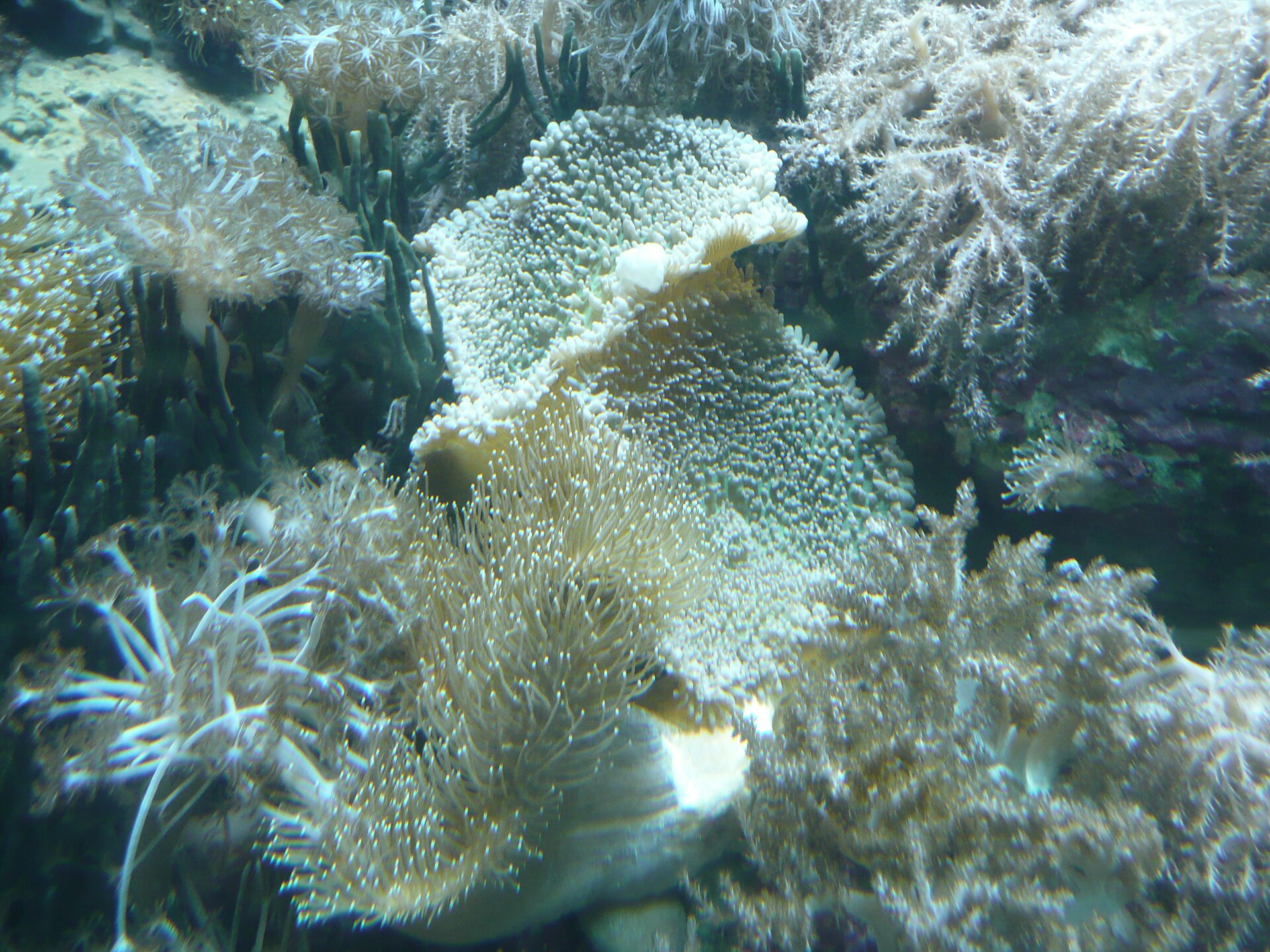
A giant corallimorph mushroom reaching 30 cm across. Hardy, but engulfs and eats small fish and shrimp at night — stock with caution.
Names & Synonyms
- CommonAmplexidiscus
- Commonアンプレキシディスカス
- CommonElephant Ear Mushroom
- Commonエレファントイヤーマッシュルーム
Overview
Amplexidiscus is a very large corallimorph mushroom that, in addition to photosynthesis, closes its disc at night to engulf and eat small fish and shrimp. It is hardy and easy to keep, but predation accidents occur when housed with small fish or shrimp, so mind placement and tankmates. It prefers low-to-moderate light and gentle flow and settles well placed singly in a rock depression.
Care Points
- Preys on small fish and shrimp at night; choose tankmates carefully.
Related corals of the same type
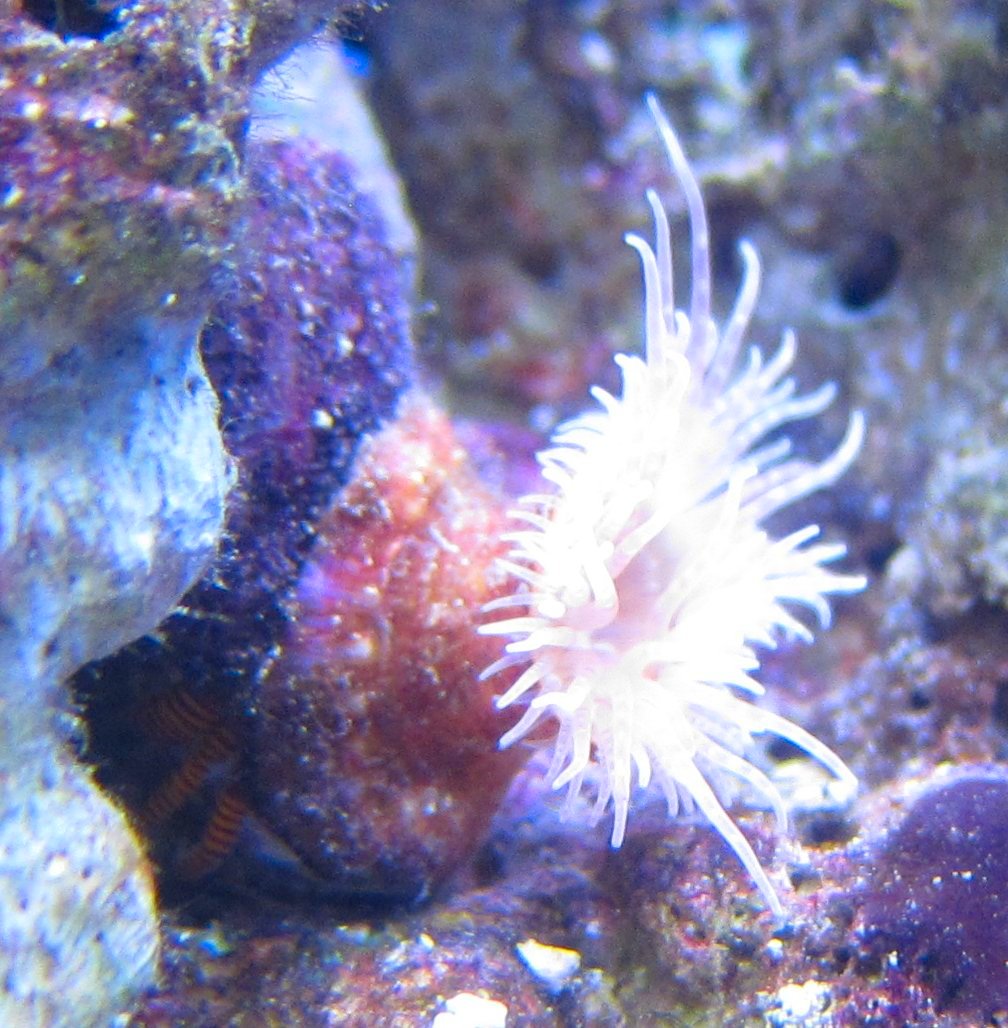 Pseudocorynactisオレンジボールアネモネ(プセウドコリナクティス)corallimorphIntermediateA nocturnal corallimorph with orange balls at its tentacle tips. Highly sticky and can capture and eat small fish.
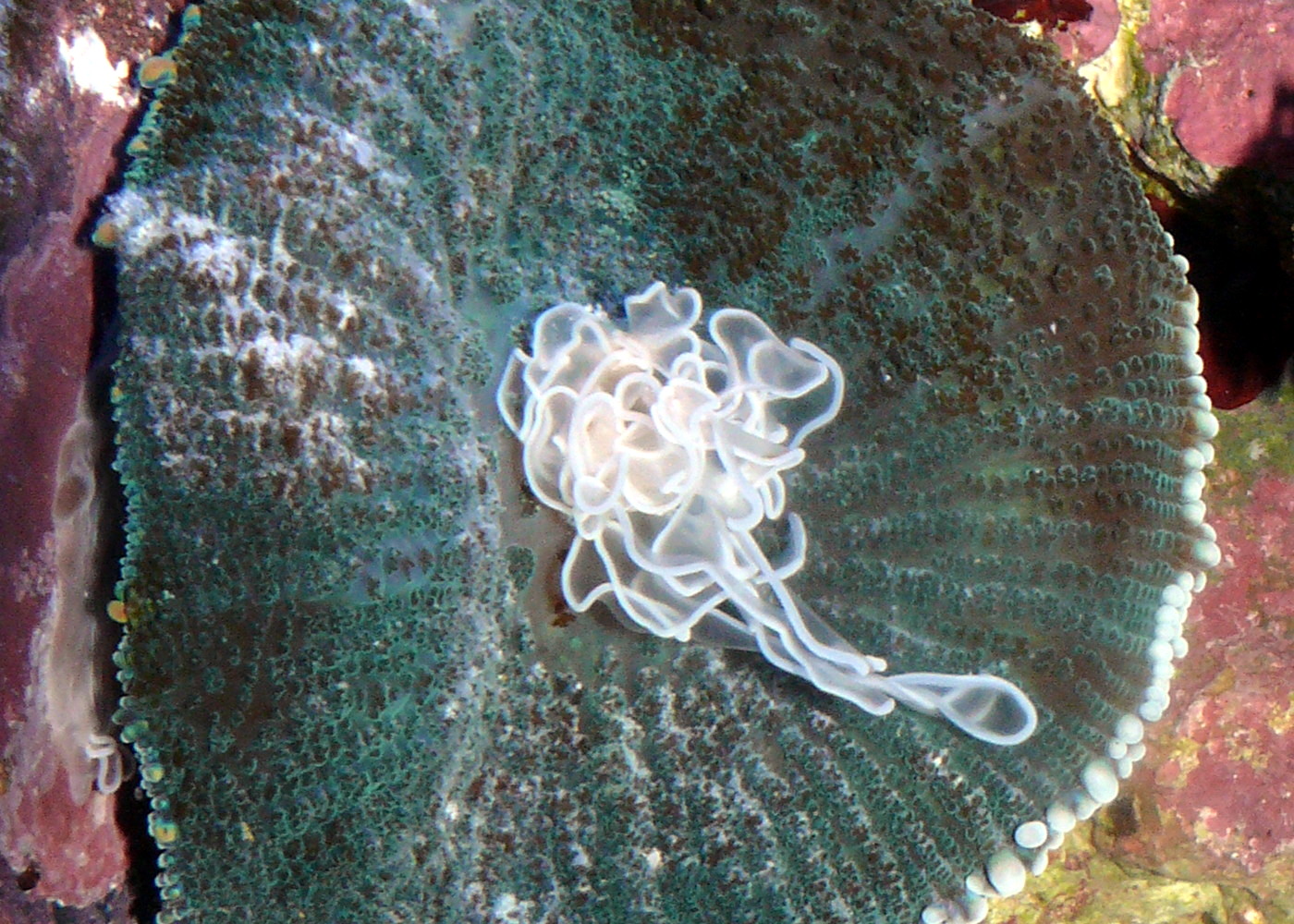 Rhodactisバウンスマッシュルーム(ロドアクティス)corallimorphIntermediateA corallimorph mushroom with inflated bubble-like vesicles. 'Bounce' specimens command high prices among collectors.
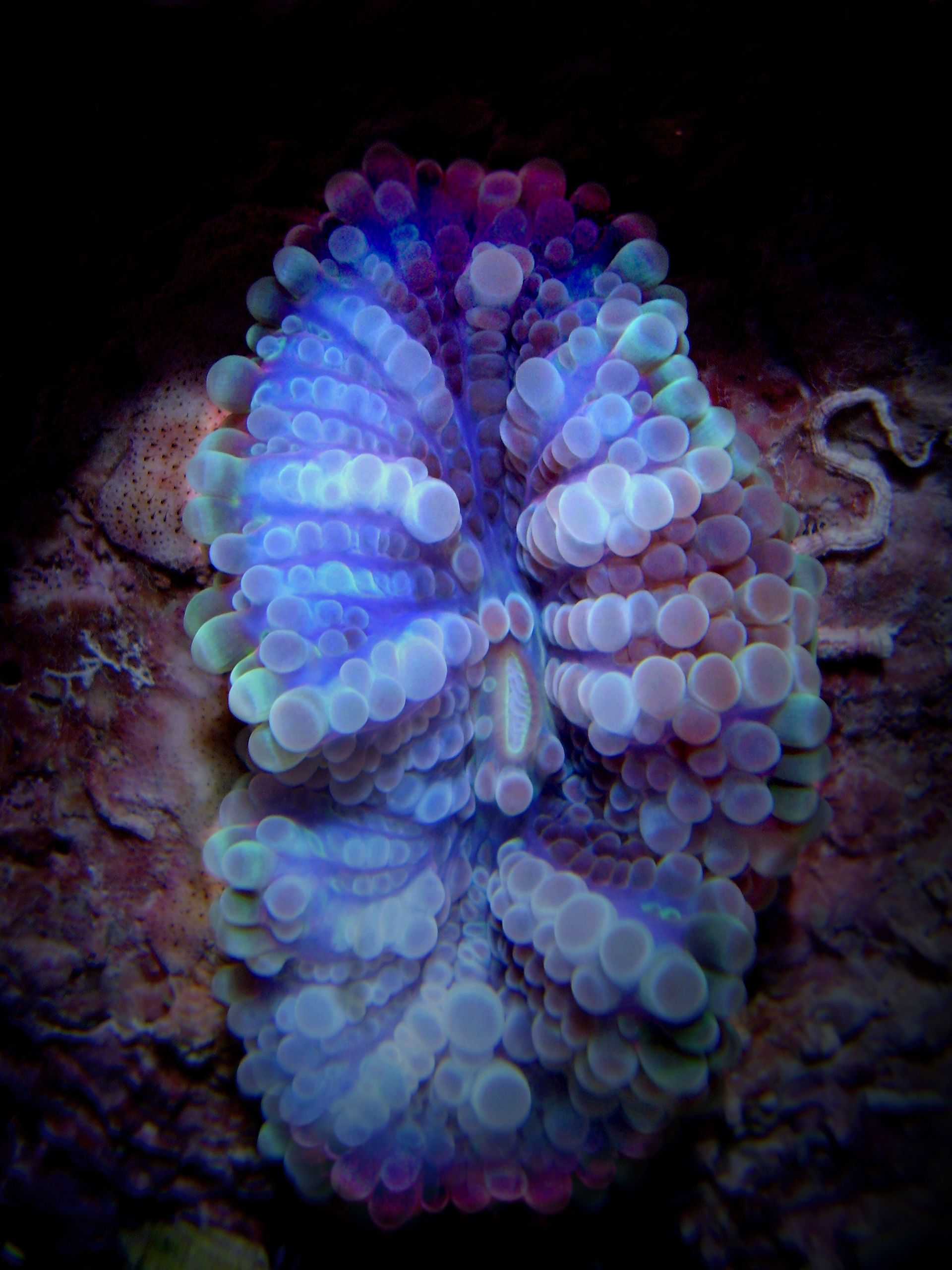 Ricordea yumaリコーデア・ユマcorallimorphIntermediateA Pacific Ricordea corallimorph with larger vesicles and vivid multicolor. More three-dimensional than the Florida species.
Related care articles
Mixed-Coral Tank Layout Planning | Co-existence Examples for SPS, LPS, and Soft Corals
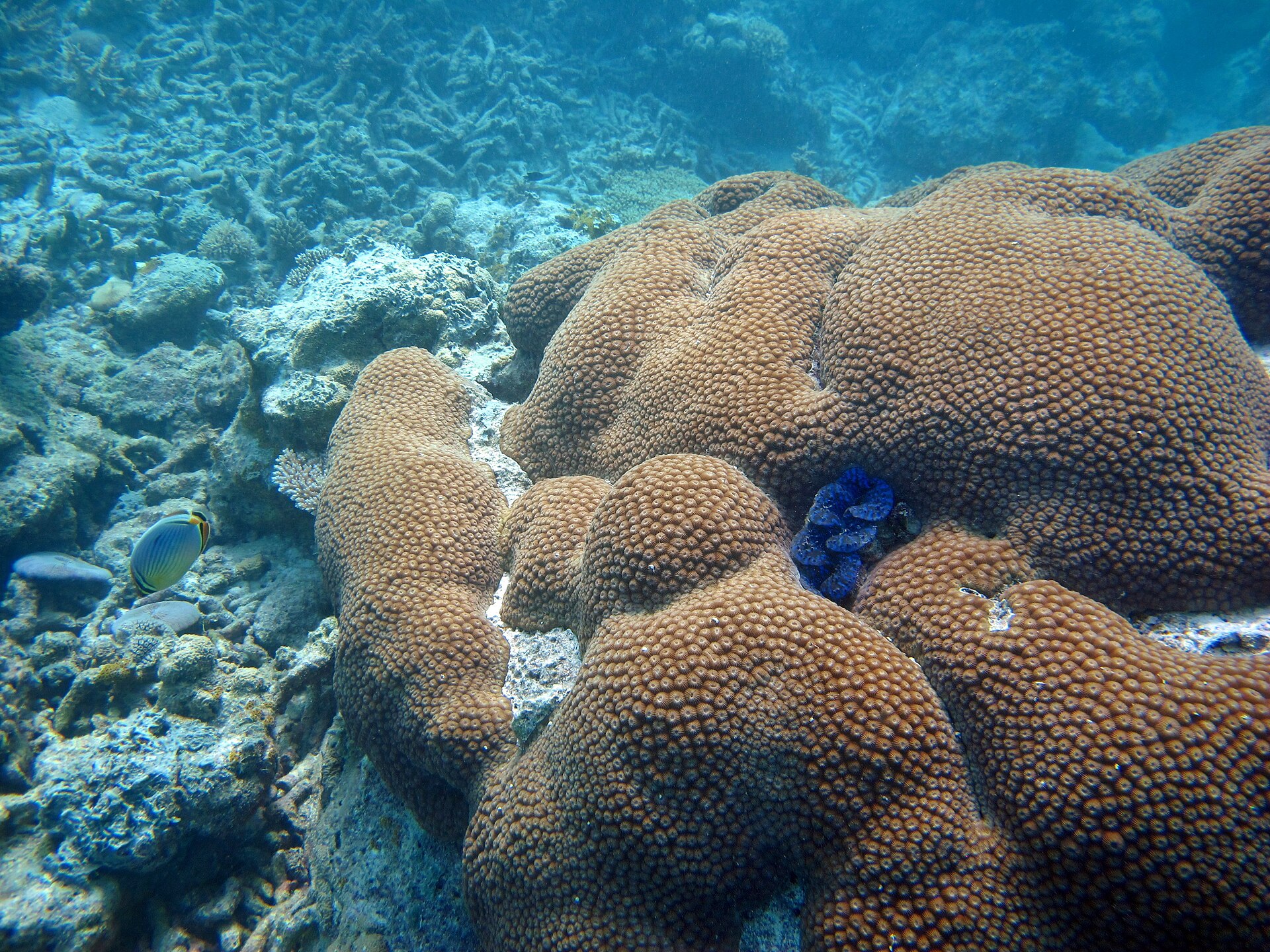
When culturing different types of corals in a single tank, understanding each group's ecological niche—including their position in the food chain, light requirements, and water flow needs—and realizing competition avoidance through placement is key to success...
Choosing Substrate for Coral Tanks: Comparing Bare Bottom, Powder Sand, and Live Sand with Maintenance
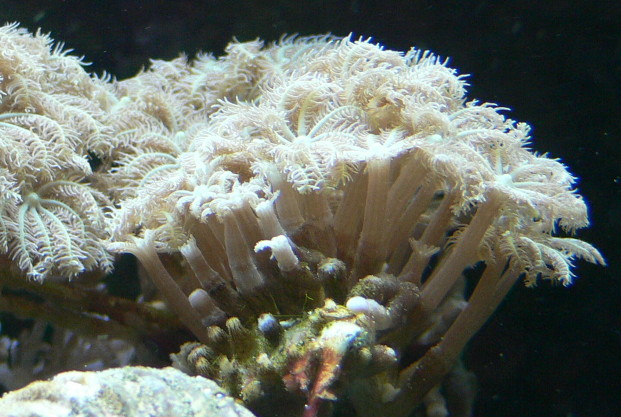
The choice of substrate for a saltwater coral tank is directly connected not just to appearance but also to water quality management and the ecology of marine life. Here we organize the characteristics of bare bottom, powder sand, and live sand, and the management approach suited to each.
Saltwater Aquarium Quarantine (QT) Systems | Pathogen Management and Setup Methods for New Introductions
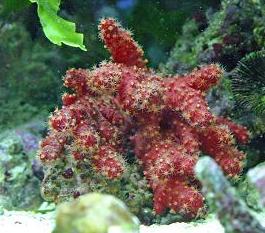
Explaining the importance of quarantine (isolation) processes when introducing new corals and organisms, along with practical setup methods. An implementation guide to realize preventative husbandry, from QT tank sizing and feeding to pathogen checking procedures and timing for introduction to the main tank.
Get this species
Buy livestock directly from breeders and specialist shops on BreederDirect (br-choku), our sister marketplace for corals and marine fish.
* Opens an external site (BreederDirect / br-choku, Japanese) in a new tab.