Trace Element Dosing in Saltwater Aquariums | What to Monitor Beyond Calcium, KH, and Magnesium
This guide explains the roles of trace elements like iodine, iron, and strontium, and how to approach supplementation. We examine color and growth changes that only become visible when looking beyond the "big three" elements.
Key Takeaways
This guide explains the roles of trace elements like iodine, iron, and strontium, and how to approach supplementation. We examine color and growth changes that only become visible when looking beyond the "big three" elements.
Changes That the "Big Three" Alone Cannot Explain
Saltwater aquarium water quality management typically begins with discussion of three elements: calcium, KH (alkalinity), and magnesium. As covered in Reef Tank Additive Management, these three are fundamental to water quality because they directly contribute to coral skeletal formation. However, even when all three parameters remain stable, corals sometimes gradually fade in color or exhibit slower growth than expected. In such cases, the balance of trace elements—such as iodine, iron, and strontium—may be the factor at play.
Major Trace Elements and Their Roles
Natural seawater contains various trace elements at concentrations lower than calcium and magnesium. Iodine is thought to be involved in zooxanthellae metabolism and the molting of some invertebrates, making it an element of particular interest to those focused on color enhancement. Iron is believed to play a role in zooxanthellae photosynthesis, and its absence can affect the coloration of the entire coral. Strontium has properties similar to calcium and is thought to assist in skeletal formation. It is important to note that these elements are required only in minute quantities—more is not necessarily better.
What Happens When Trace Elements Are Deficient or Excessive
Deficiencies or excesses of trace elements often produce gradual symptoms that are difficult to assess compared to imbalances in the big three. As mentioned in Introduction to SPS Coral Coloration, color is influenced not only by nutrient balance and light spectrum but also by the state of trace elements. When deficiency is suspected, common observations include overall coloration appearing dull compared to before, and growth rate appearing slow despite stable water parameters. Conversely, over-supplementation can stress specific organisms or contribute to algae blooms, making it best to avoid continuous dosing by guesswork.
How to Supplement Trace Elements
There are two main approaches to supplementing trace elements. One is regular water changes; as explained in How to Mix Synthetic Seawater and Guide to Specific Gravity and Salinity, high-quality synthetic seawater already contains many trace elements in balanced proportions. In many aquariums, water changes alone provide sufficient baseline supplementation. The other approach is to use dedicated trace element additives. This method is employed for aquariums where consumption outpaces replenishment through water changes alone, or when you wish to intentionally enhance specific elements. However, because most products contain multiple mixed elements, it is safer to avoid dramatically increasing any single element on its own.
Dosing Rate and Precautions
When using trace element additives, the fundamental practice is to begin with the manufacturer's recommended dosage and observe changes gradually.
- Adjust dosing gradually without making large increases or decreases at once
- Avoid dosing multiple additives in large quantities simultaneously
- Reduce source water impurities using RO/DI purification and source water quality management to prevent unintended element contamination
- In addition to major parameters measurable by Saltwater Aquarium Water Testing, also record "visible indicators" such as color and growth changes
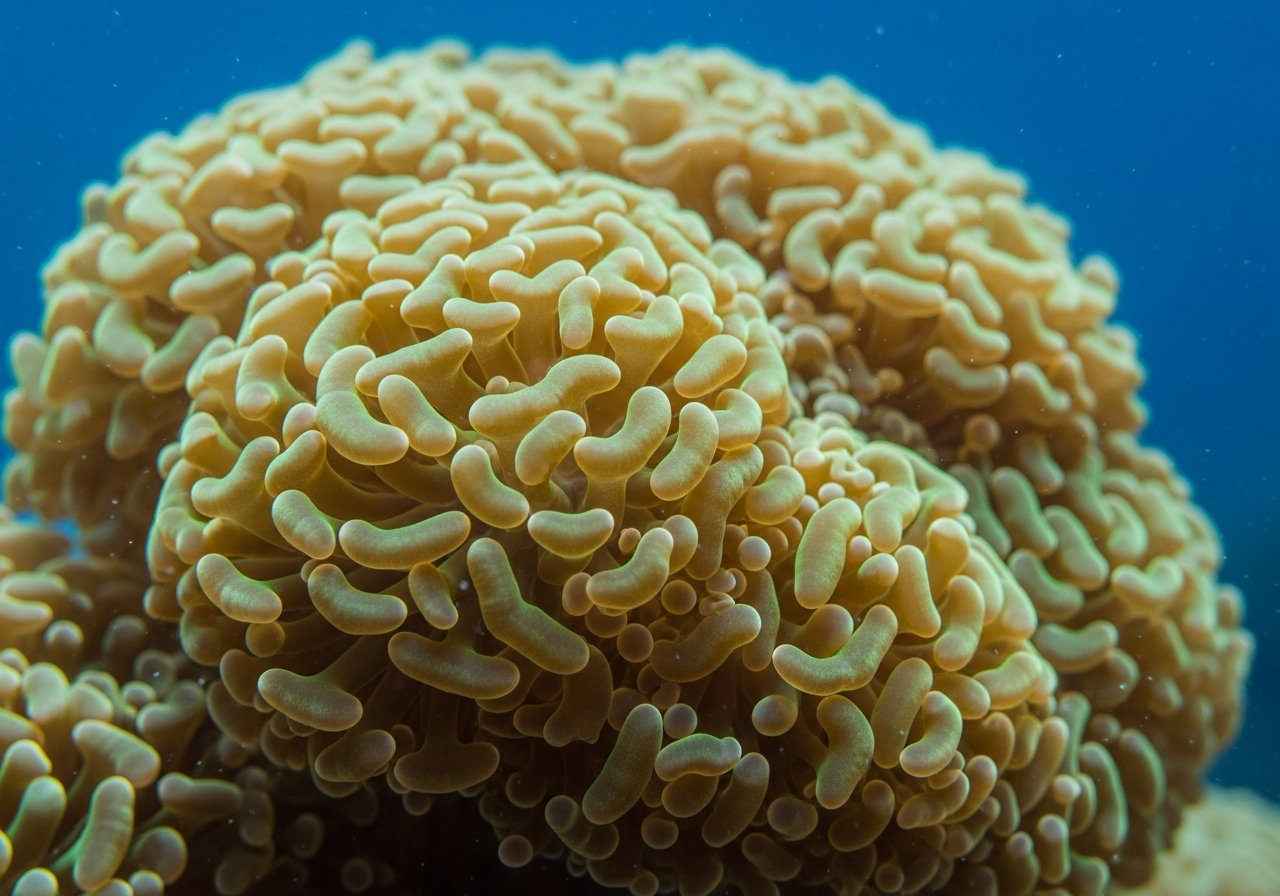
Because many trace elements are difficult to measure accurately with household test kits, a practical approach emphasizes continuous observation of organism changes over exact numerical values. Taking photos regularly to record coloration and tentacle extension makes it easier to notice gradual changes over the course of months.
Summary
Once the big three elements are stable, if you still experience plateauing coloration or growth, it is worth examining trace element balance.
- Elements like iodine, iron, and strontium function in minute quantities; take care to avoid over-supplementation
- Deficiency and excess signals appear gradually, making daily observation records a useful guide
- Regular water changes form the foundation of trace element replenishment, with additives playing a supporting role
- Adjust dosing gradually and avoid simultaneous large-scale dosing of multiple products
Combining this deeper perspective on trace elements with the fundamentals of reef tank water chemistry can reveal the mechanisms behind changes that previously seemed unexplainable.