Giant Clam
Tridacna sp.Bruguière, 1797Genus
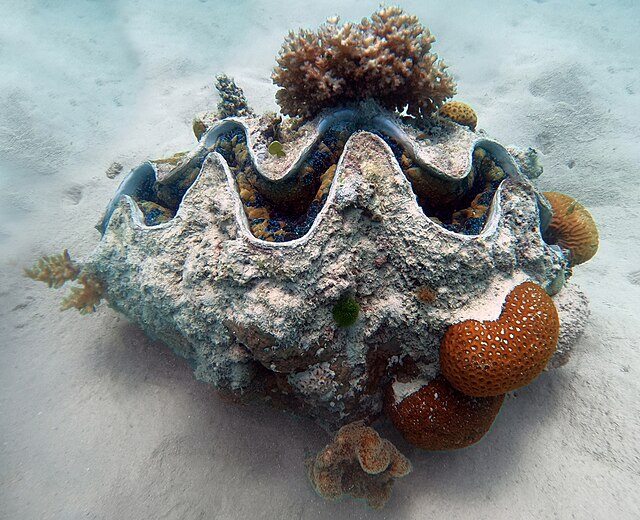
Bivalve with brilliantly colored mantle. Photosynthetic and requires strong lighting. Jewel of the reef tank.
Names & Synonyms
- CommonGiant Clam
- Commonシャコガイ
- SynonymChametrachea
- SynonymDinodacna
- SynonymFlodacna
- SynonymPersikima
- SynonymSepidacna
Overview
Giant clams (genus Tridacna) are the world's largest bivalve molluscs, housing symbiotic zooxanthellae in their iridescent mantles to derive most of their nutrition from photosynthesis. Native to shallow reefs of the Indo-Pacific, Tridacna gigas can reach 1.2 m in length and 200 kg. Mantle coloration spans electric blues, greens, golds, purples, and browns, making giant clams prized display animals. Successful husbandry demands intense lighting (300–500+ PAR) and stable reef chemistry—calcium 400–450 ppm, alkalinity 7–11 dKH, and magnesium above 1280 ppm. Starting with juveniles (3–5 cm) eases acclimatization; large specimens are placed directly on the tank floor.
Care Specifications
| Temperature | 24〜27℃ |
|---|---|
| Specific gravity | 1.023〜1.025 |
| Salinity | 33〜35 ppt |
| KH (carbonate hardness) | 8〜12 dKH |
| Calcium (Ca) | 400〜450 mg/L |
| Magnesium (Mg) | 1280〜1350 mg/L |
| Lighting | High |
| Water flow | Medium |
| Placement | Bottom |
Care Points
- Lighting—Strong lighting essential (metal halide or powerful LED)
- Water Quality—Ca 400-450ppm, KH 7-11 required
- Placement—Upper tank where light is strongest
- Growth—Slow but steady growth
- Notes—Do not forcibly detach byssal threads
Regulatory & Conservation
- CITES:
- Appendix II
- Notes:
- シャコガイ科(Tridacna spp., 二枚貝)=CITES 附属書II(全種、1983/1985 掲載)。サンゴ目ではないが本カテゴリに混在。日本法は非該当。
Sources
- AlgaeBarn: Water Parameters 101(careSpec)
- NOAA Fisheries: Giant Clam Tridacna spp. CITES App. II(regulatory)
- Wikipedia(detail)
Related care articles
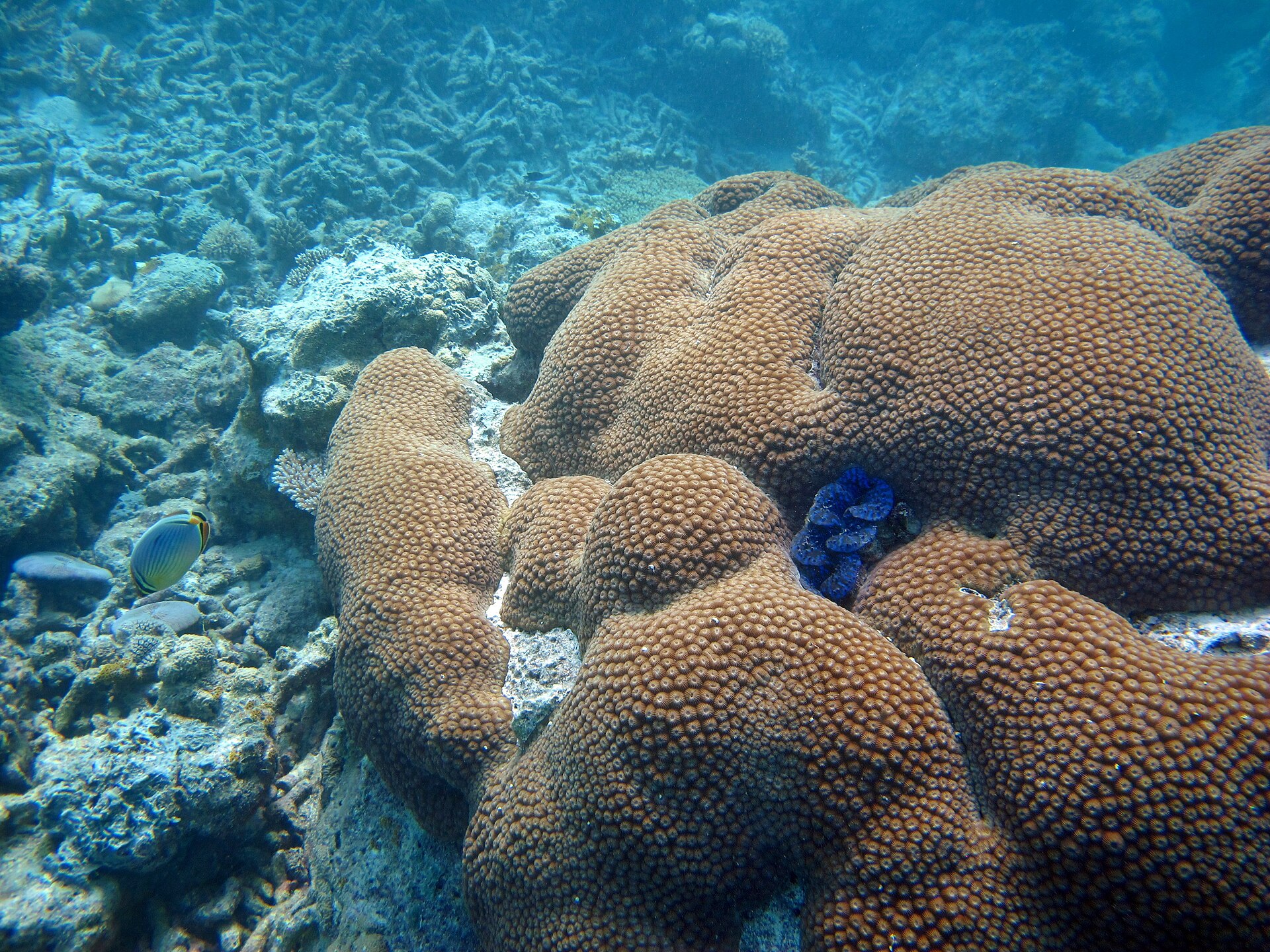
Mixed-Coral Tank Layout Planning | Co-existence Examples for SPS, LPS, and Soft Corals
When culturing different types of corals in a single tank, understanding each group's ecological niche—including their position in the food chain, light requirements, and water flow needs—and realizing competition avoidance through placement is key to success...
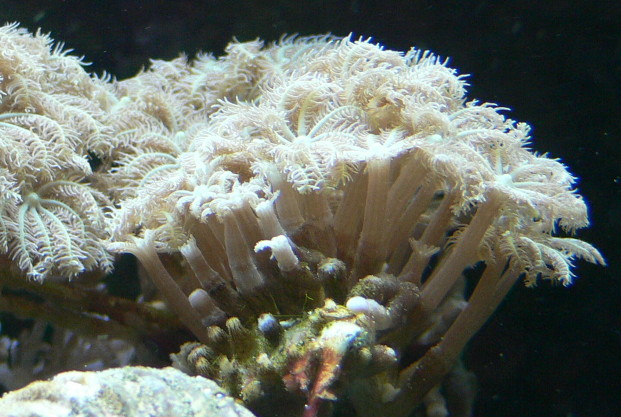
Choosing Substrate for Coral Tanks: Comparing Bare Bottom, Powder Sand, and Live Sand with Maintenance
The choice of substrate for a saltwater coral tank is directly connected not just to appearance but also to water quality management and the ecology of marine life. Here we organize the characteristics of bare bottom, powder sand, and live sand, and the management approach suited to each.
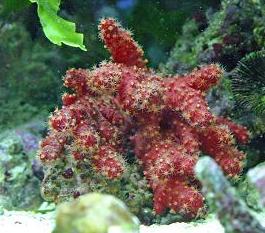
Saltwater Aquarium Quarantine (QT) Systems | Pathogen Management and Setup Methods for New Introductions
Explaining the importance of quarantine (isolation) processes when introducing new corals and organisms, along with practical setup methods. An implementation guide to realize preventative husbandry, from QT tank sizing and feeding to pathogen checking procedures and timing for introduction to the main tank.
Get this species
Buy livestock directly from breeders and specialist shops on BreederDirect (br-choku), our sister marketplace for corals and marine fish.
* Opens an external site (BreederDirect / br-choku, Japanese) in a new tab.