Nephthea (Tree Coral)
Nephthea sp.Forskål, 1775Genus
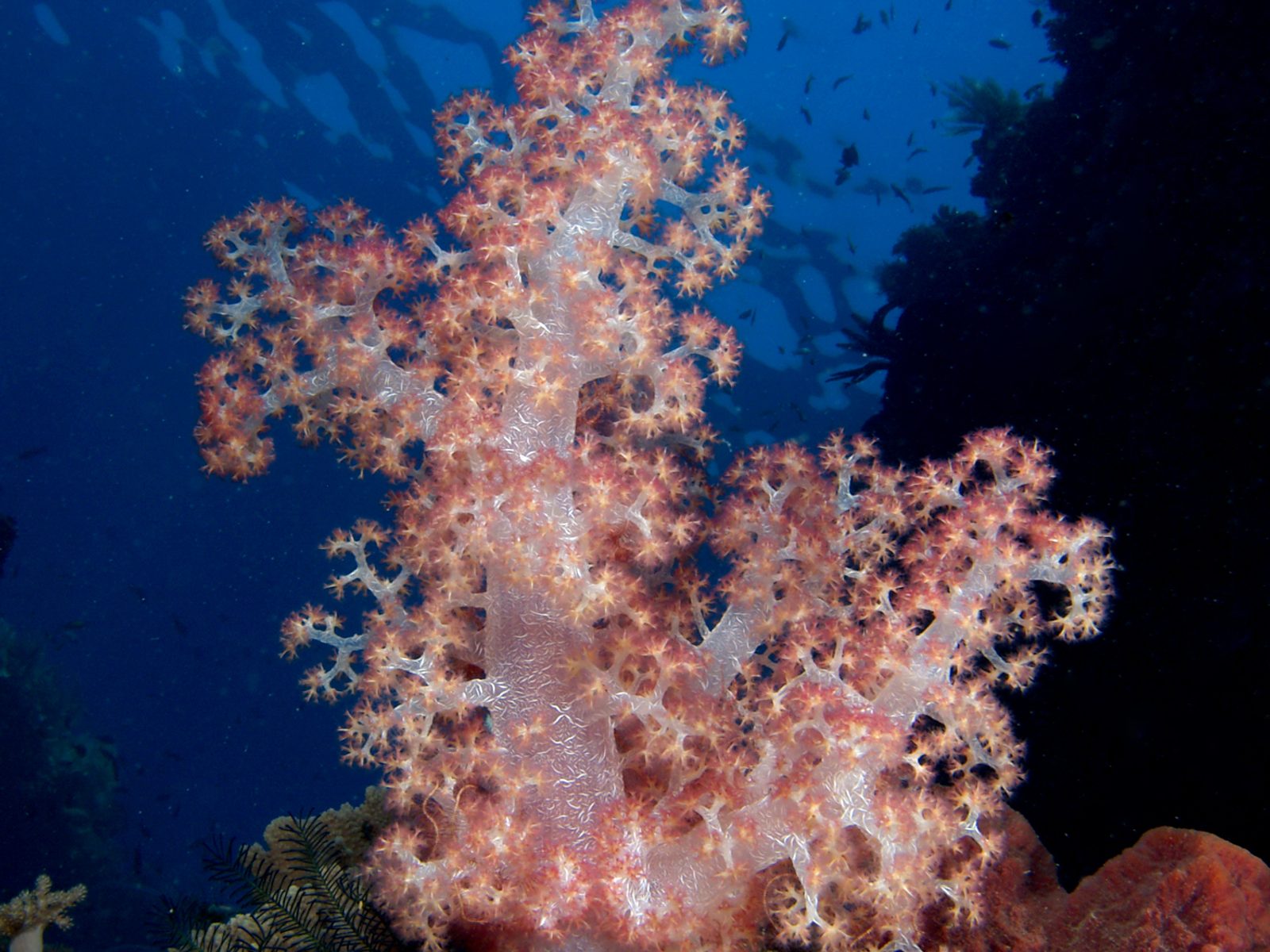
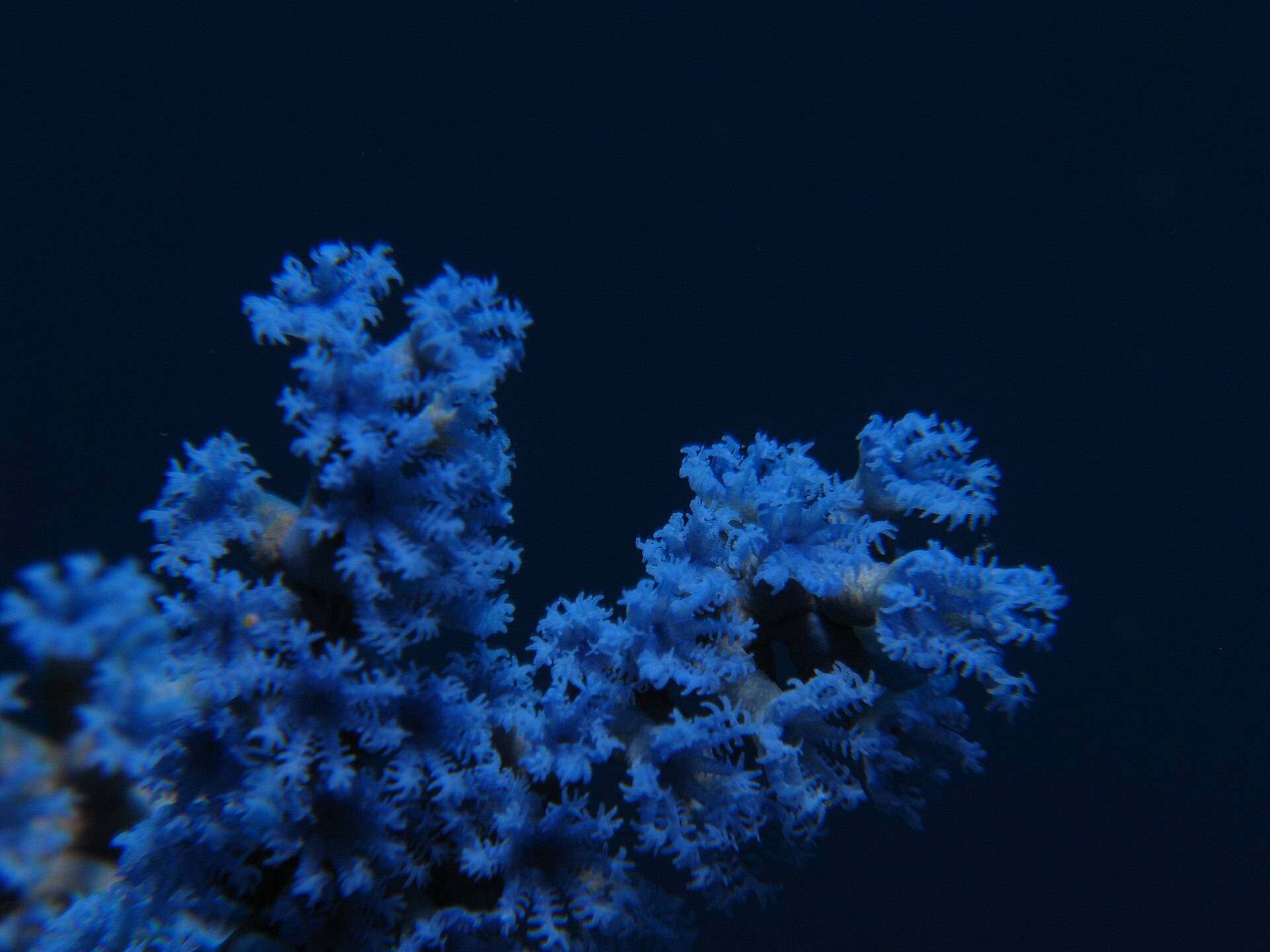
Tree-shaped branching soft coral. Similar to Kenya Tree but more supple. Green and brown common. Hardy, fast-growing, adds natural feel to aquariums.
Names & Synonyms
- CommonNephthea (Tree Coral)
- Commonネフティア
- SynonymAmmicella
- SynonymLithophyton
- SynonymLithophytum
- SynonymNephthea
- SynonymNephthya
Overview
Nephthea (family Nephtheidae) is an octocoral (soft coral) distributed across Indo-Pacific reef slopes, with small polyps densely covering the tips of tree-like branching tufts, giving a bushy, cauliflower-like appearance. It shows muted creams, pinks, and greens, and because it contains internal sclerites, its surface feels slightly rough when the polyps retract. It is relatively easy to keep, favoring moderate lighting and moderate to slightly strong flow; stronger flow opens the polyps and produces attractive movement. In addition to photosynthesis, plankton feeding aids growth. It grows quickly and can spread, so trim periodically to manage it. Fragging is easy; note that it releases terpenoid compounds, so running activated carbon is advisable.
Care Specifications
| Type | Soft coral |
|---|---|
| Temperature | 24〜27℃ |
| Specific gravity | 1.023〜1.025 |
| Salinity | 33〜35 ppt |
| KH (carbonate hardness) | 8〜12 dKH |
| Lighting | Medium |
| Water flow | Medium |
| Placement | Middle |
Care Points
- Lighting—Medium LED lighting
- Flow—Medium. Ideal flow makes branches sway gracefully
- Propagation—Cut and attach branches to rock. Also drops fragments naturally
- Notes—Can dominate tank if unchecked. Trim as needed
Regulatory & Conservation
- Notes:
- 八放サンゴ(Nephthea, Nephtheidae)。ソフトコーラル=CITES 非掲載。
Sources
- AlgaeBarn: SPS/LPS/soft care(careSpec)
- AlgaeBarn: Water Parameters 101(careSpec)
- DOC NZ / CITES-listed corals(掲載科に Nephtheidae 含まず)(regulatory)
- Wikipedia(detail)
Related corals of the same type
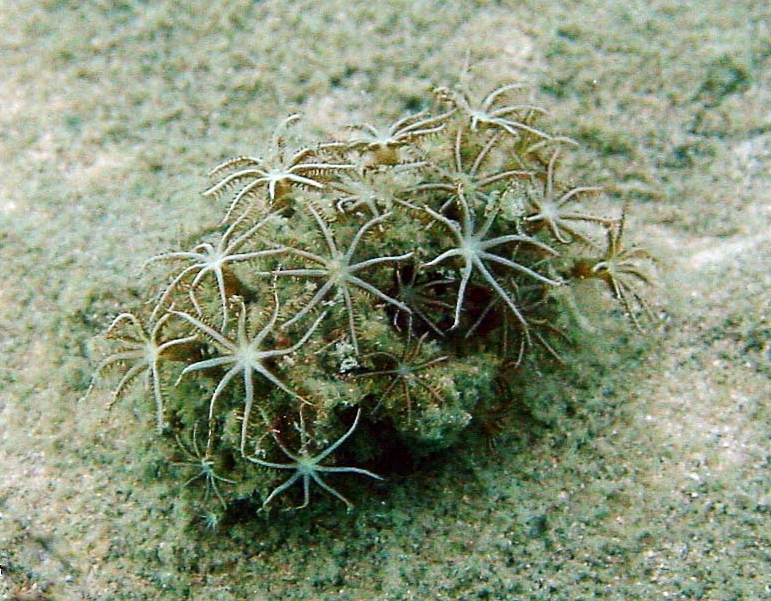 Antheliaアンセリア(ウェービングハンド)softBeginnerA soft coral whose feathery polyps sway in flow. Similar to Xenia but with larger, always-open polyps; very hardy.
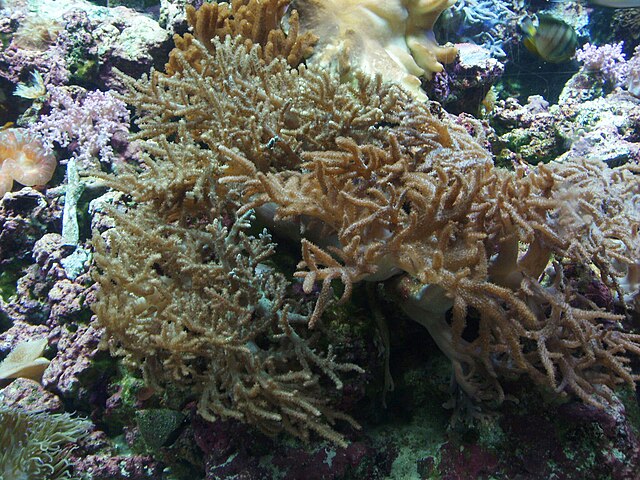 Leather CoralウミキノコsoftBeginnerSoft coral with large mushroom-shaped cap. Hardy and fast-growing. Periodically sheds mucus to remove old tissue.
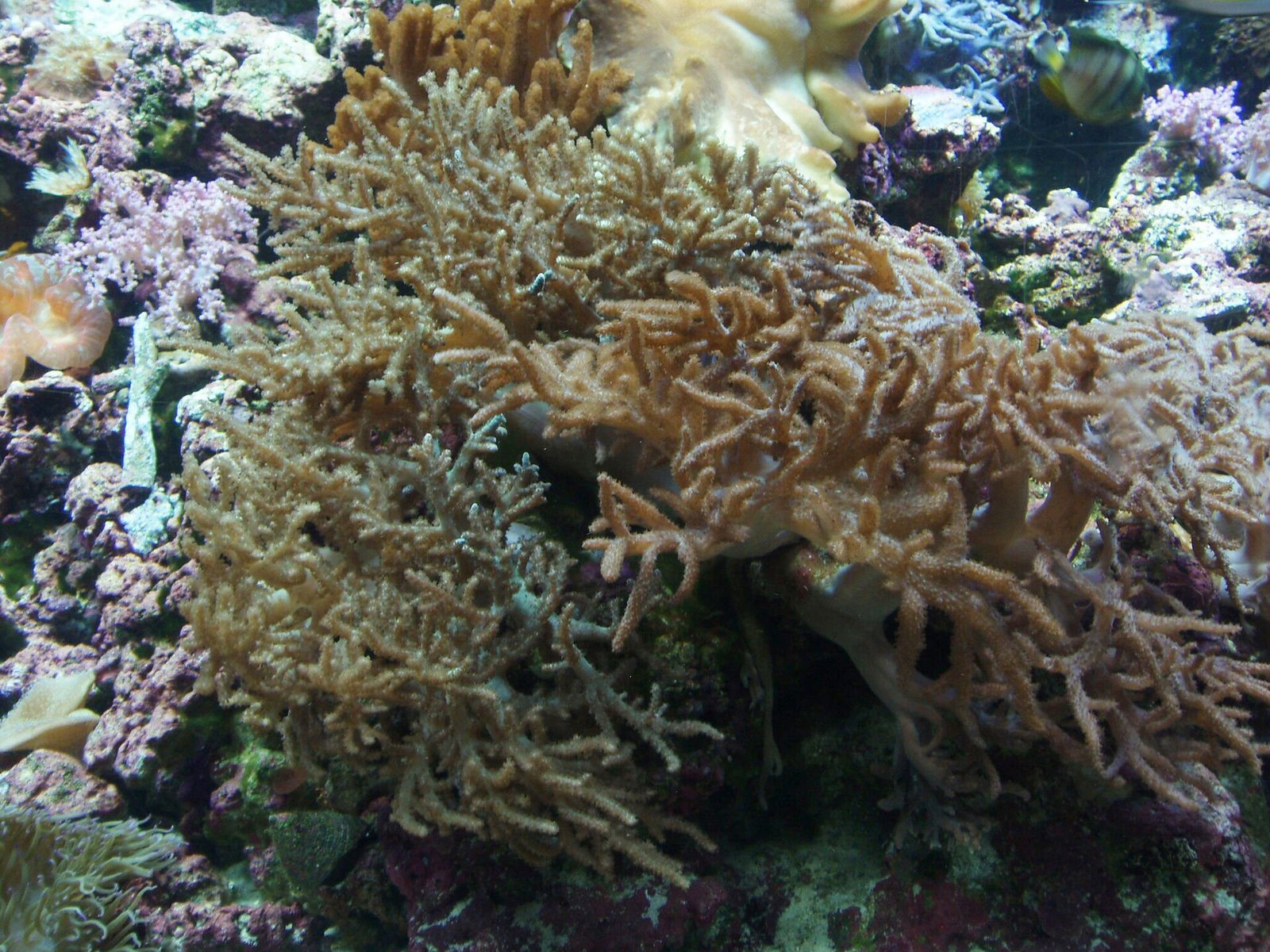 Sinularia (Finger Leather Coral)ウミキノコモドキsoftBeginnerFinger-shaped branching soft coral. Related to leather corals and equally hardy. Cream, green, brown color varieties. Similar to Toadstool but with branching form.
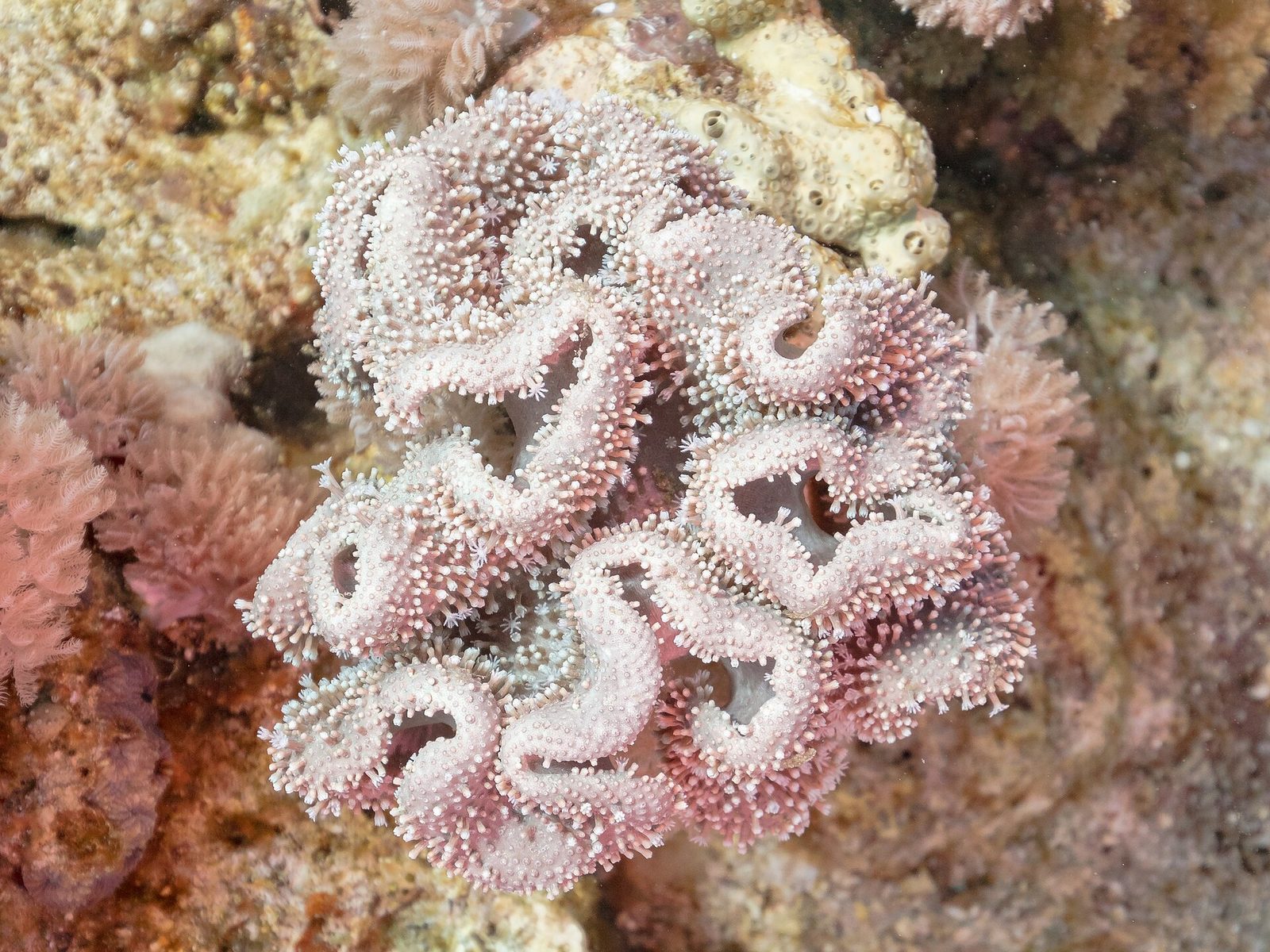 Toadstool CoralカタトサカsoftBeginnerBranching soft coral that is hardy with diverse color variations. Easy to frag and propagate.
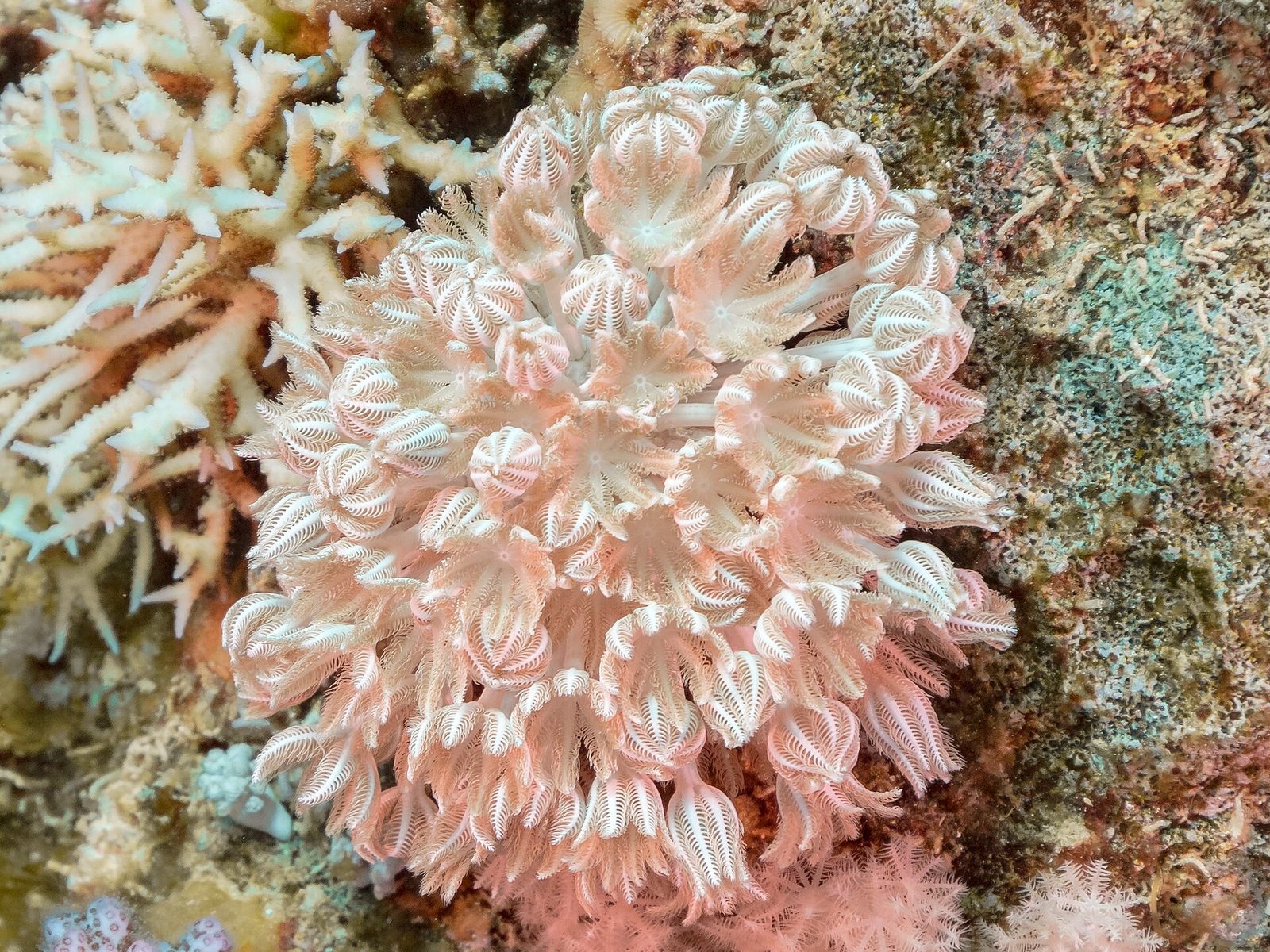 Pulsing Xeniaキサンゴ(パルスコーラル)softBeginnerUnique soft coral with pulsing polyps that rhythmically open and close. Mesmerizing movement. Hardy and proliferates quickly.
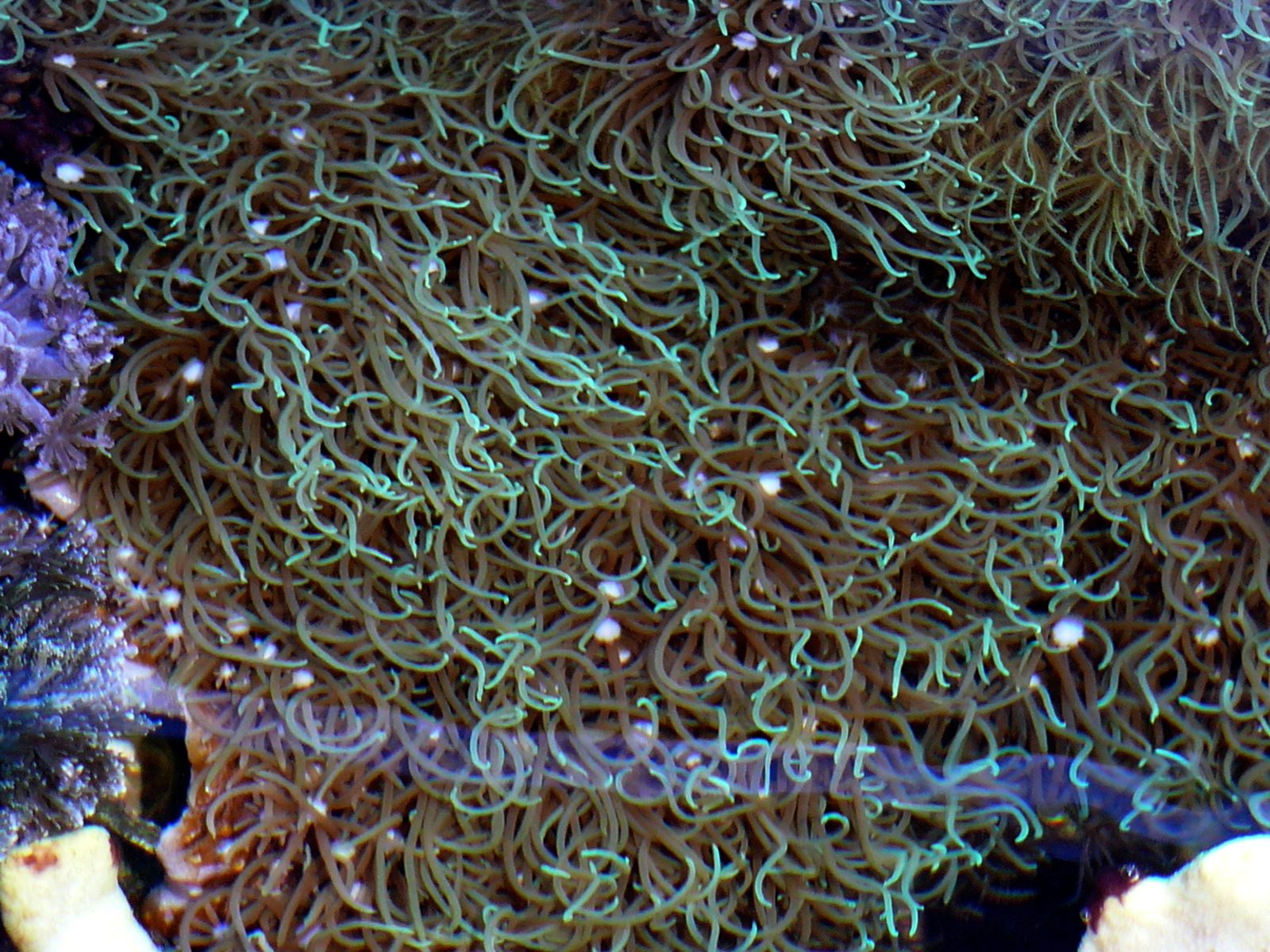 Green Star PolypグリーンスターポリプsoftBeginnerA hardy soft coral with green star-shaped polyps on a mat. Beautiful fluorescent green.
Related care articles
Soft Coral Soft Rot Disease and Tissue Collapse | Slime Secretion Abnormalities, Infection Treatment and Prevention
Soft Rot Disease in soft corals is a fatal disease in which the flexible skeletal portions rapidly decompose due to bacterial infection. The disease's onset involves multiple environmental factors, with rapid water temperature fluctuations (±3°C or greater), nutrient excess, water quality deterioration, and physical stress to the specimen serving as primary triggering factors.
Nutrient Management in Soft Coral Tanks | Balancing Nitrates and Phosphates with Zooxanthellae and Trace Elements
While soft corals are often said to require less rigorous nutrient management than SPS corals, extreme eutrophication or oligotrophy can lead to polyp retraction and color loss. Let's clarify how to think about balancing nitrates, phosphates, zooxanthellae, and trace elements.
The Mechanism of Soft Coral Pulsation (Pulse Movement) | Physiology and Environmental Factors
The characteristic pulsating movements of Xenia (also called pulse corals). This practical guide explains the physiological mechanisms, correlations with feeding, water flow, and nutrient levels, display tips, and the causes and solutions for when pulsation stops.
Get this species
Buy livestock directly from breeders and specialist shops on BreederDirect (br-choku), our sister marketplace for corals and marine fish.
* Opens an external site (BreederDirect / br-choku, Japanese) in a new tab.